Young Sylvester Stallone could have sold the screenplay for Rocky for a substantial sum, but instead he risked his career by insisting on playing the lead himself. Nearly half a century later, that story is brought to the screen in I Play Rocky, with Anthony Ippolito portraying Stallone. In an interview with Harper’s Bazaar Ukraine, the actor discusses his transformation into the Hollywood icon, the challenges of capturing Stallone’s early years, the courage to stand by one’s convictions, and the idea that success does not necessarily mean winning.
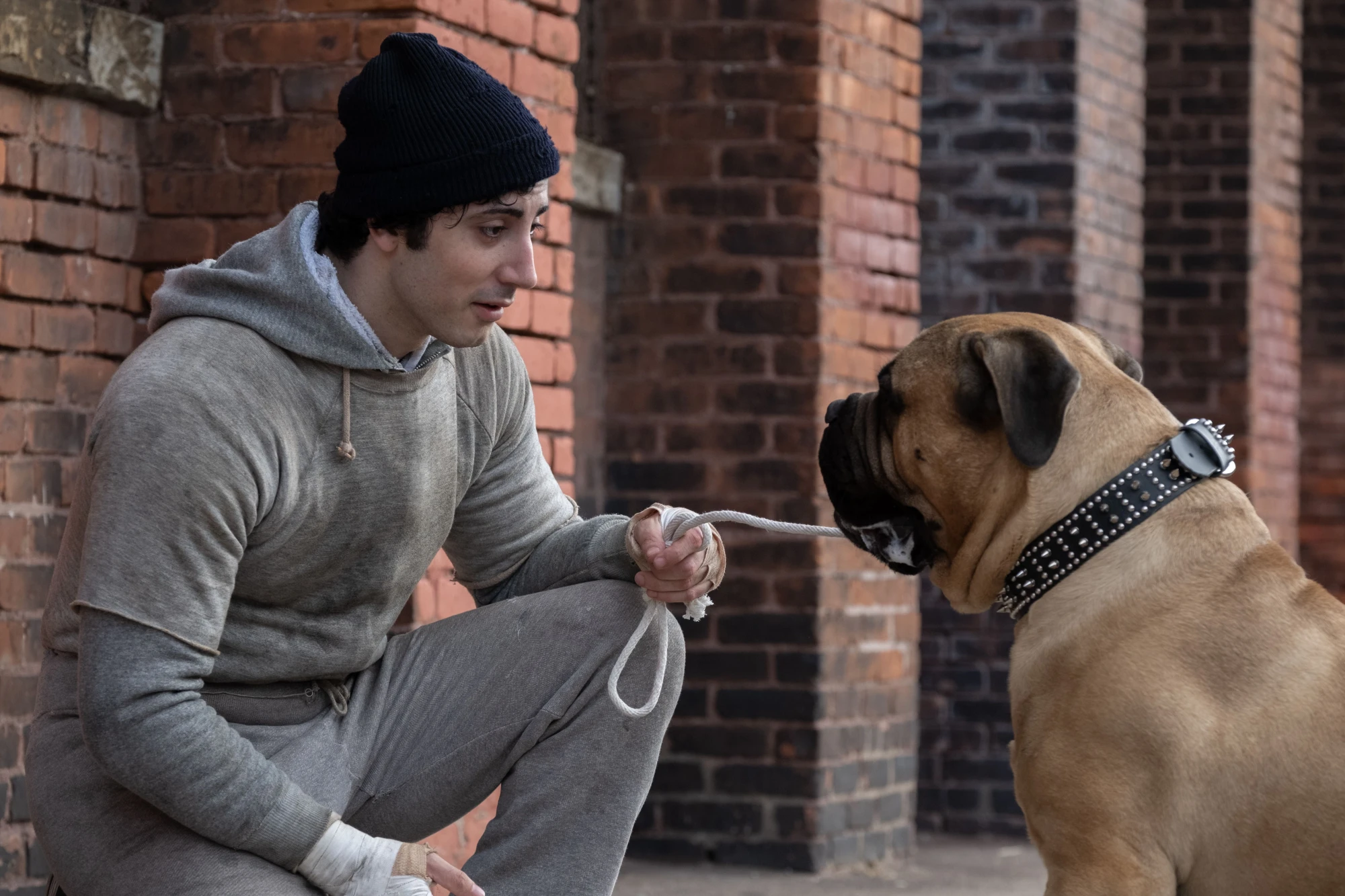
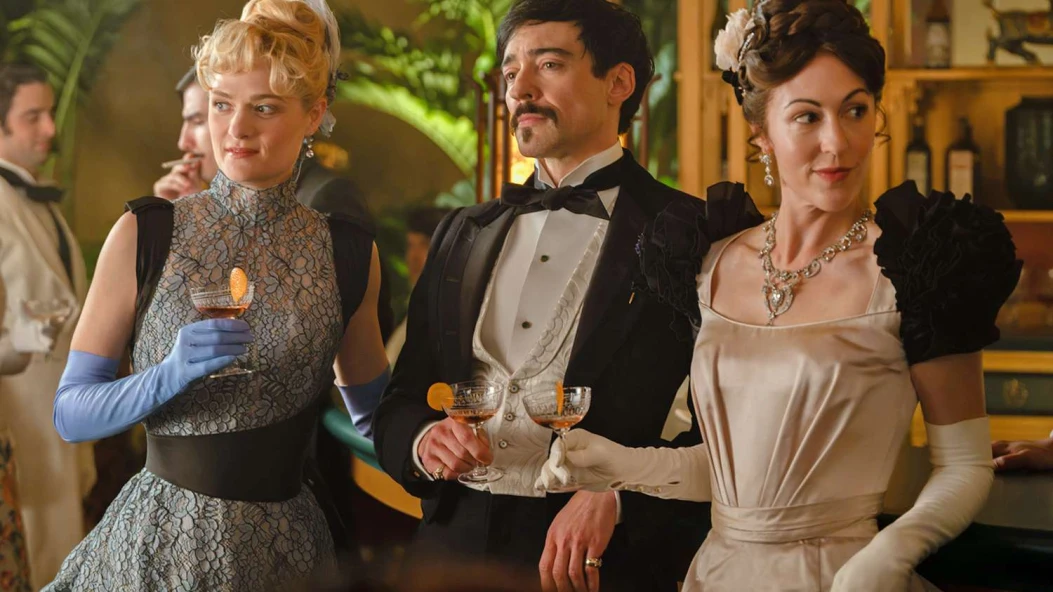
I Play Rocky, 2026
In Hollywood, where almost everything has a price, Sylvester Stallone once decided that his leading role was not for sale.
At the time, he was neither a star nor a particularly promising prospect in the eyes of the film industry. His résumé consisted largely of minor roles, auditions rarely led anywhere, and his distinctive speech and appearance made landing leading parts all the more difficult. But Stallone had written a screenplay about a Philadelphia boxer who gets the chance to fight the world heavyweight champion. And he was convinced that nobody but him should play Rocky Balboa.
The producers were prepared to pay a considerable amount for the screenplay, but they wanted an established actor in the lead role. Stallone refused. For someone still struggling to find his footing in the industry, it was a decision with no guarantees. Today, it is easy to see it as an extraordinary act of self-belief. At the time, however, it could just as easily have been a professional suicide mission.
When Rocky was released in 1976, it became a box-office hit and won three Academy Awards, including Best Picture. Stallone, who had once struggled to get past auditions, became one of the most recognizable figures in American cinema.
But Peter Farrelly’s I Play Rocky is less interested in the triumph itself than in everything that came before it. It tells the story of a man who has no idea that he will one day become famous, yet refuses to give up his right to stand in front of the camera.
Anthony Ippolito was entrusted with bringing that young Stallone to life. His acting career has already involved transforming into a Hollywood legend: he portrayed a young Al Pacino in the series The Offer. This time, however, the challenge was different. Stallone is more than a recognizable face. His voice, physicality, distinctive expressions, and gestures have become deeply embedded in popular culture.
How do you portray someone an audience can recognize within seconds without reducing the performance to a collection of carefully rehearsed impressions?
During an international press junket, Harper’s Bazaar Ukraine spoke with Ippolito about discovering the man behind the icon, the determination that shaped Stallone’s early career, and the importance of defining success on your own terms.
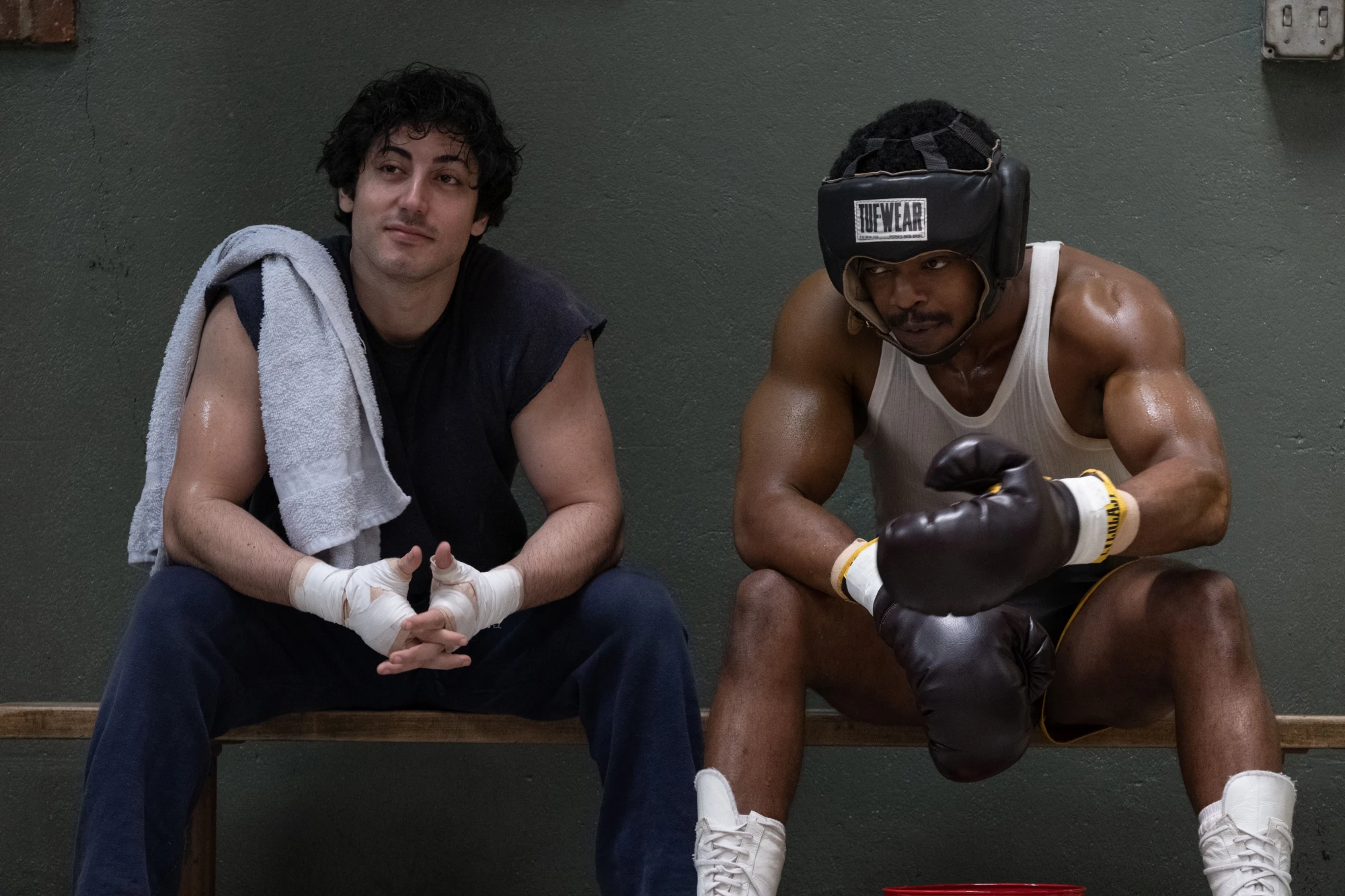
I Play Rocky, 2026
Harper’s Bazaar Ukraine: We all know Stallone as an established star. How did you manage to look beyond that image and understand the person he was before fame — before he even knew what he might become?
Anthony Ippolito: I think the most important thing was not to see him as a star. I tried to see a young man who wanted to become an actor but kept running into circumstances that were working against him.
He was born with partial facial paralysis, which meant he was often made fun of. That created a lot of insecurity. So I focused first and foremost on the person, rather than the icon he would eventually become.
That is the main challenge of making any film about a celebrity: the audience already knows how the story ends, while the character has no idea what lies ahead. For Ippolito, it was important to set aside that knowledge of the future and bring Stallone back to a time when his ambitions seemed far greater than his actual opportunities.

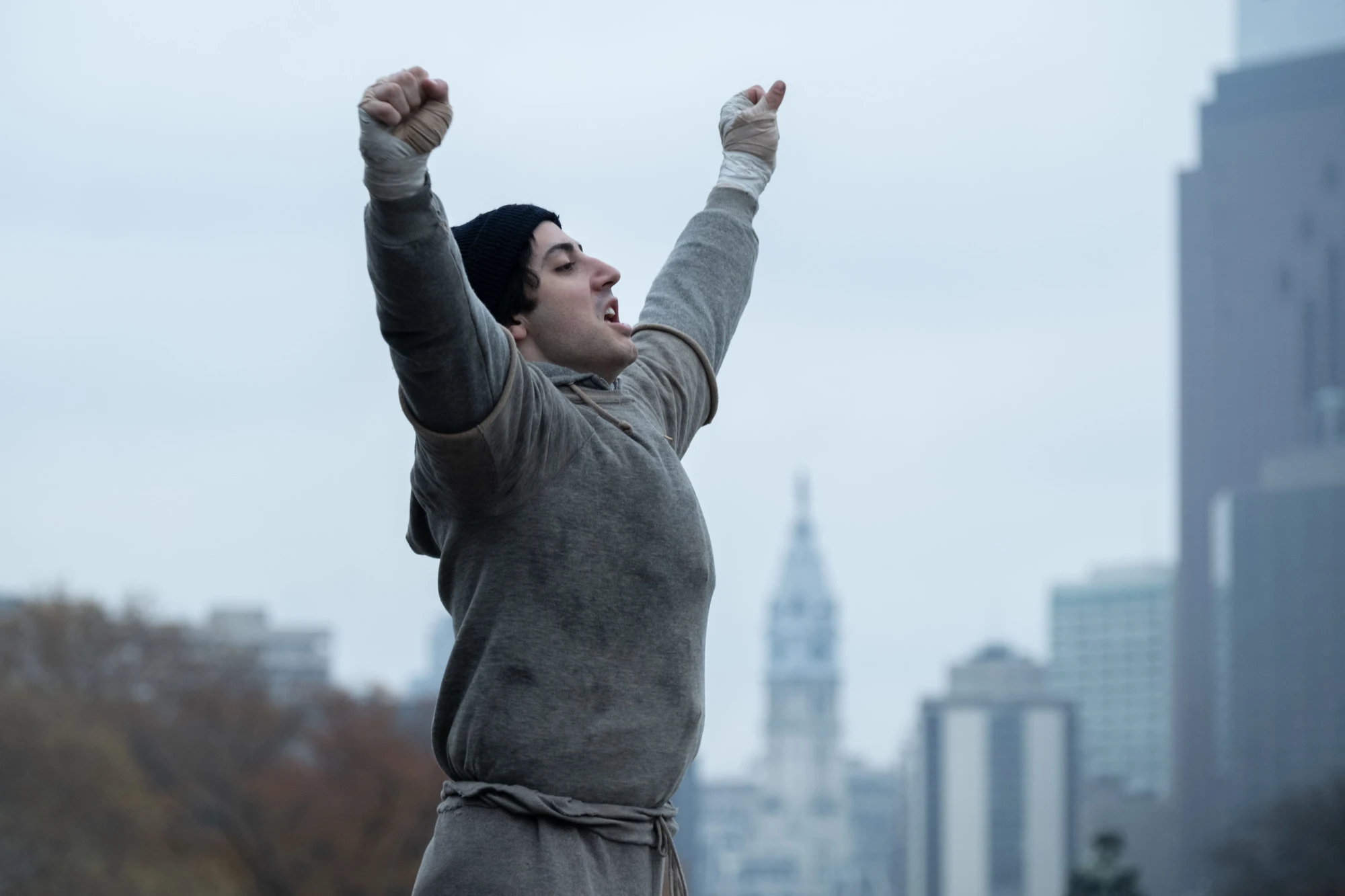
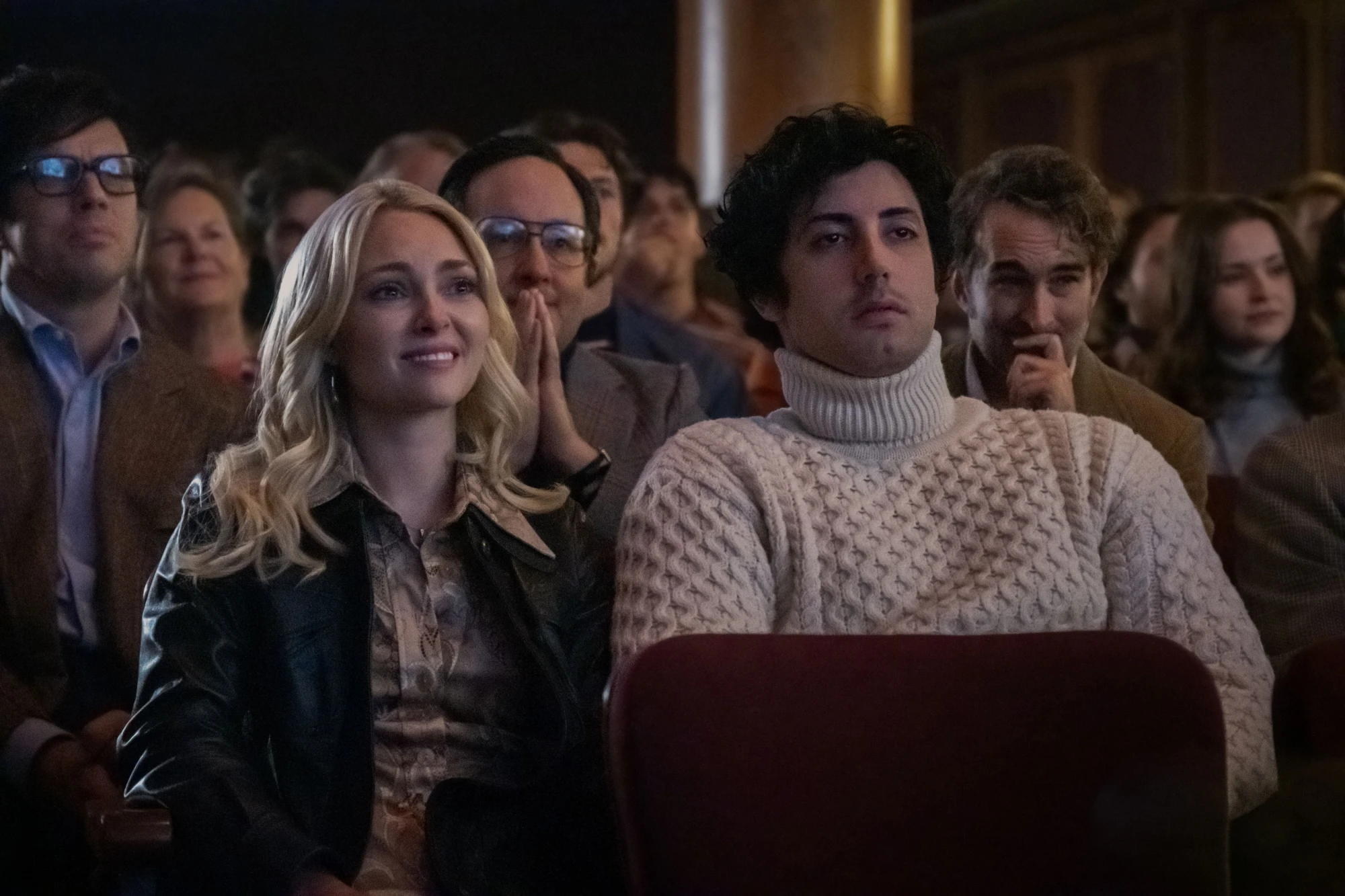
I Play Rocky, 2026
Harper’s Bazaar Ukraine: Was there a moment on set when you suddenly felt that you had become Sylvester Stallone?
Anthony Ippolito: I think the work of the entire team played a huge part in that. Amy Roth was responsible for the costumes, and Anthony Gasparro for the production design. They did an incredible job.
The costumes and sets really allow you to immerse yourself in that world. There were many moments when I felt particularly connected to it, especially while filming in Philadelphia. Everything there felt incredibly authentic.
Philadelphia has long been a character in its own right in the Rocky story. The steps of the Philadelphia Museum of Art, the runs through the city streets, the training sessions in working-class neighborhoods — these scenes have become part of the collective memory of generations of moviegoers. For Ippolito, filming in the city where Rocky Balboa’s story unfolded brought him closer to his character than ever.
Harper’s Bazaar Ukraine: What surprised you most about Stallone’s character? Was there perhaps a side of him that the public knows relatively little about?
Anthony Ippolito: Probably just how high his standards were. How do you turn down that kind of money? I'm still not sure I fully understand it. We’re talking about an enormous amount.
He had already been through so much hardship, and yet he was still able to say no. That takes an incredible amount of conviction and inner strength. I think that's something people may underestimate about Stallone.
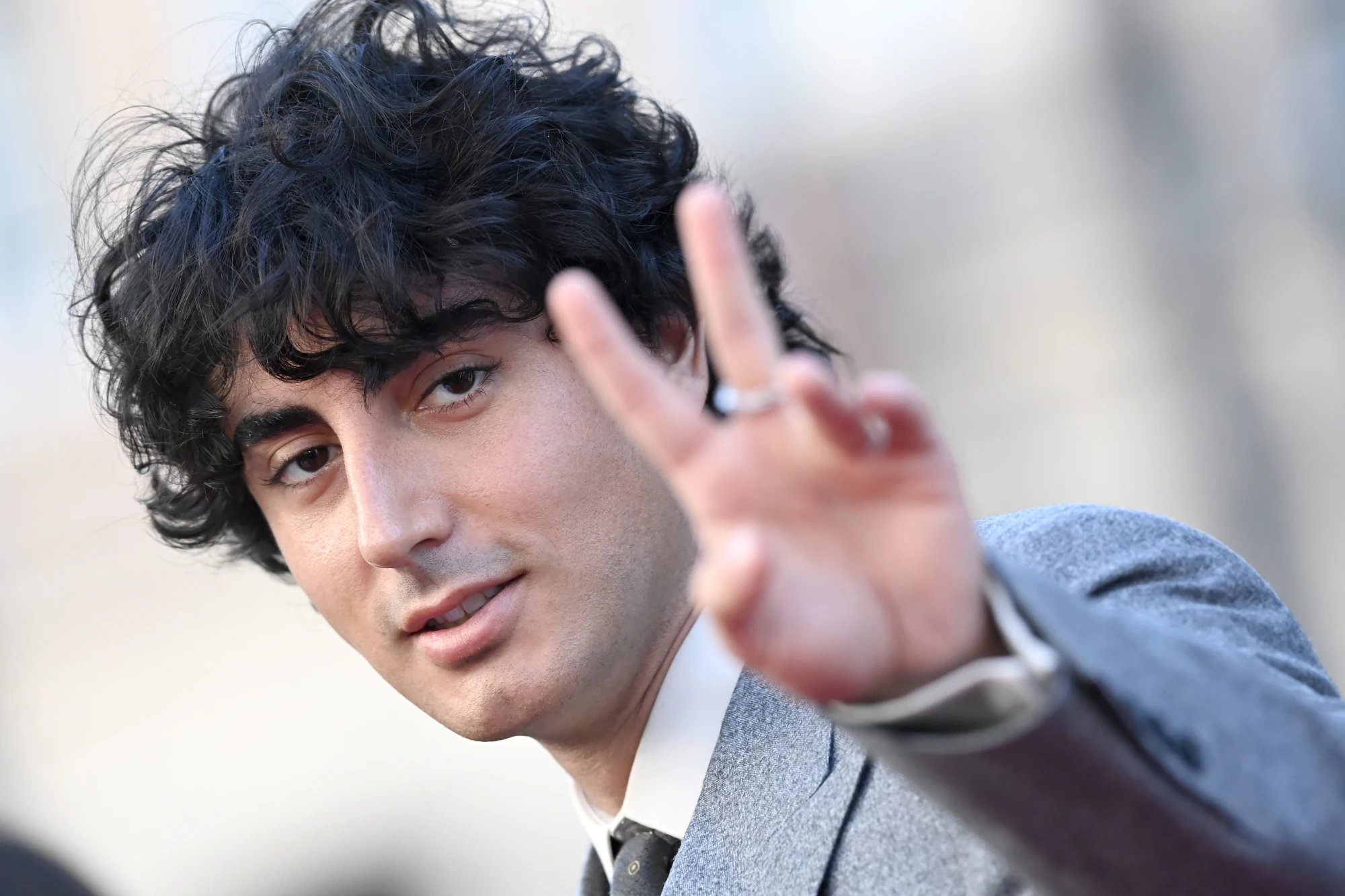
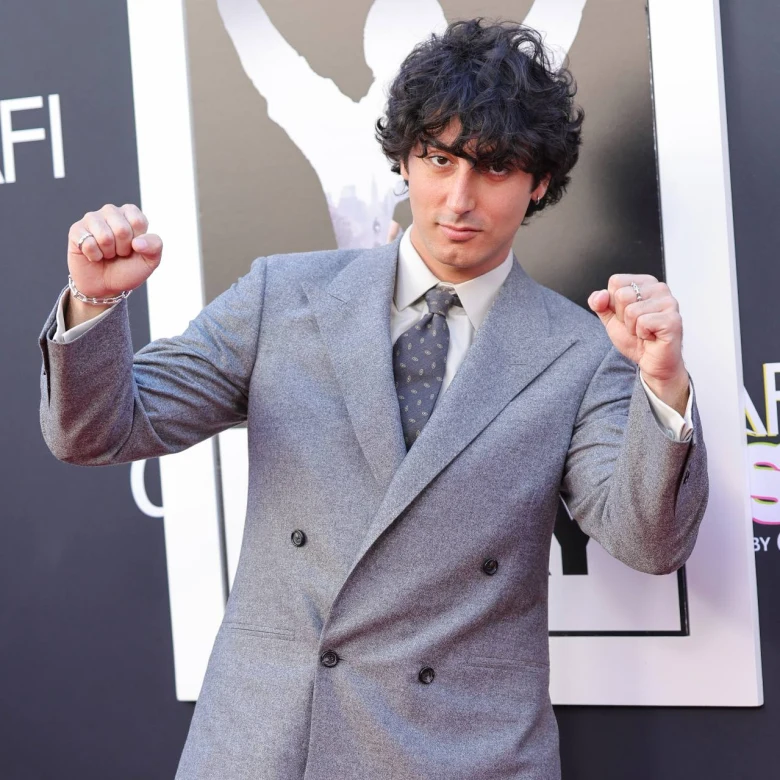
Photo: Axelle/Bauer-Griffin/FilmMagic / Getty Images
What's interesting is that Ippolito doesn't present Stallone's decision as an obvious heroic gesture. On the contrary, he admits that he still finds it difficult to understand how someone in such an uncertain position could turn down a financial offer that would have solved so many of his problems.
There is something more to this story than the familiar Hollywood narrative of a dream coming true. Stallone wasn't simply fighting for the lead role. He was fighting for the right to determine his own future.
Hollywood loves stories about lone visionaries who change the rules against all odds. But even the strongest determination needs allies. The making of Rocky was not just about a man who refused to compromise his vision, but also about the people who were willing to share the risk.
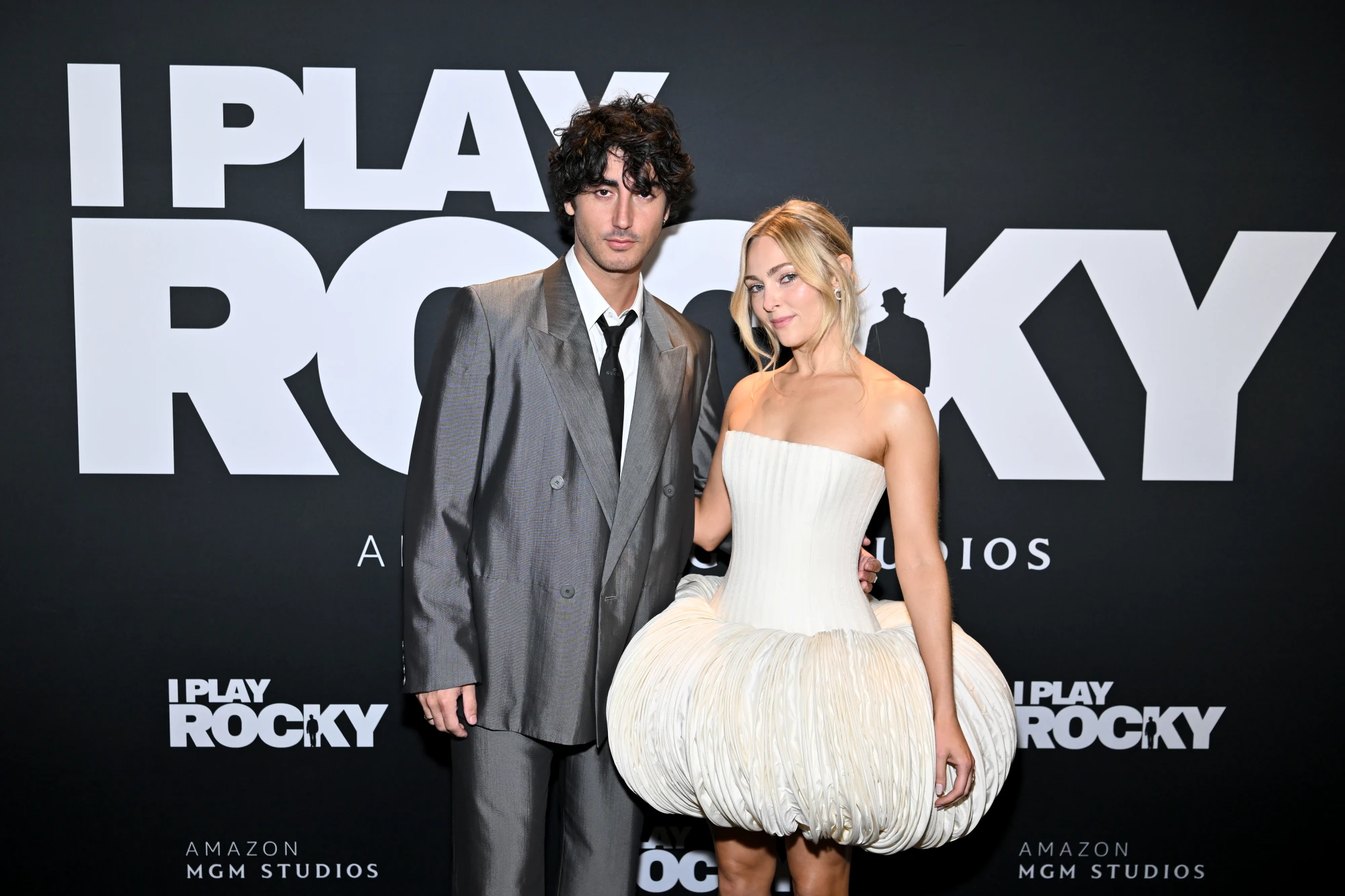
Anthony Ippolito and AnnaSophia Robb at the premiere of I Play Rocky / Photo: Roy Rochlin/Getty Images for Amazon MGM Studios
Harper’s Bazaar Ukraine: After playing someone who fought so fiercely for the chance to take on one particular role, has your own understanding of success changed?
Anthony Ippolito: I think it has, a little.
If you look at Rocky himself, he wins even though he loses the fight. His personal victory is that he goes the distance and makes it to the end. That's what winning means to him.
I don't think success is any one specific thing.
We live in a strange world where social media constantly pushes a very materialistic idea of success. As if money and material achievements were the ultimate measure of it.
Success depends on how you define it for yourself. There are countless personal victories that have nothing to do with money or external markers of achievement. I think that's incredibly important to understand.
Profile photo: Axelle/Bauer-Griffin/FilmMagic