What is true luxury today? A $50,000 watch, a handbag with a years-long waiting list, a private jet, or the ability to disappear for several months without having to explain your absence to anyone? Fashion analyst Leah Andriienko explores.

Veblen and the Art of Conspicuous Waste
In 1899, the sociologist and economist Thorstein Veblen coined the term ‘conspicuous consumption’ in The Theory of the Leisure Class. For Veblen, true luxury had nothing to do with practicality or function. It was a display of irrationality: a way of showing that one could squander money and, above all, time without feeling the loss.
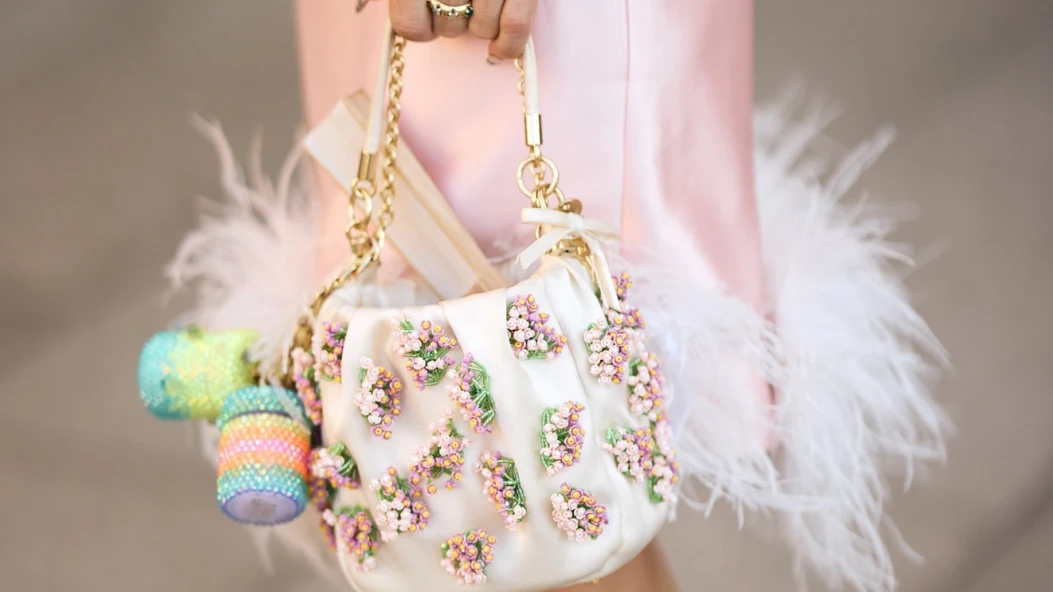
This is why haute couture gowns are, first and foremost, works of art to be worn just once, and why a Jacquemus or Coperni microbag has room for little more than a lipstick and a hotel key. A pristine white coat tells you that its owner is chauffeured everywhere. A $50 digital watch keeps better time than a $50,000 mechanical one that needs winding and regular servicing. Yet it is precisely this impracticality that makes the latter a temperamental plaything and a marker of status.
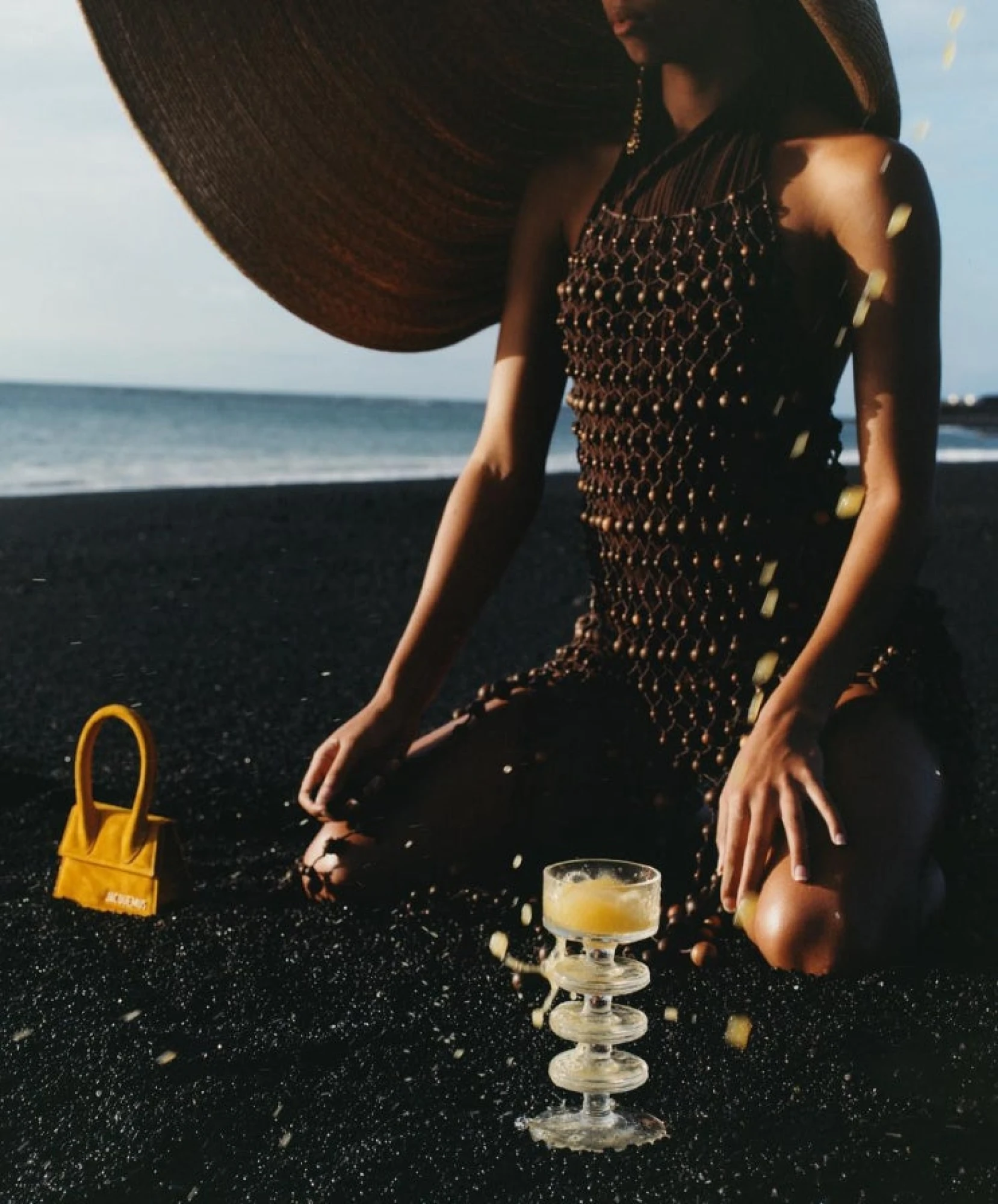
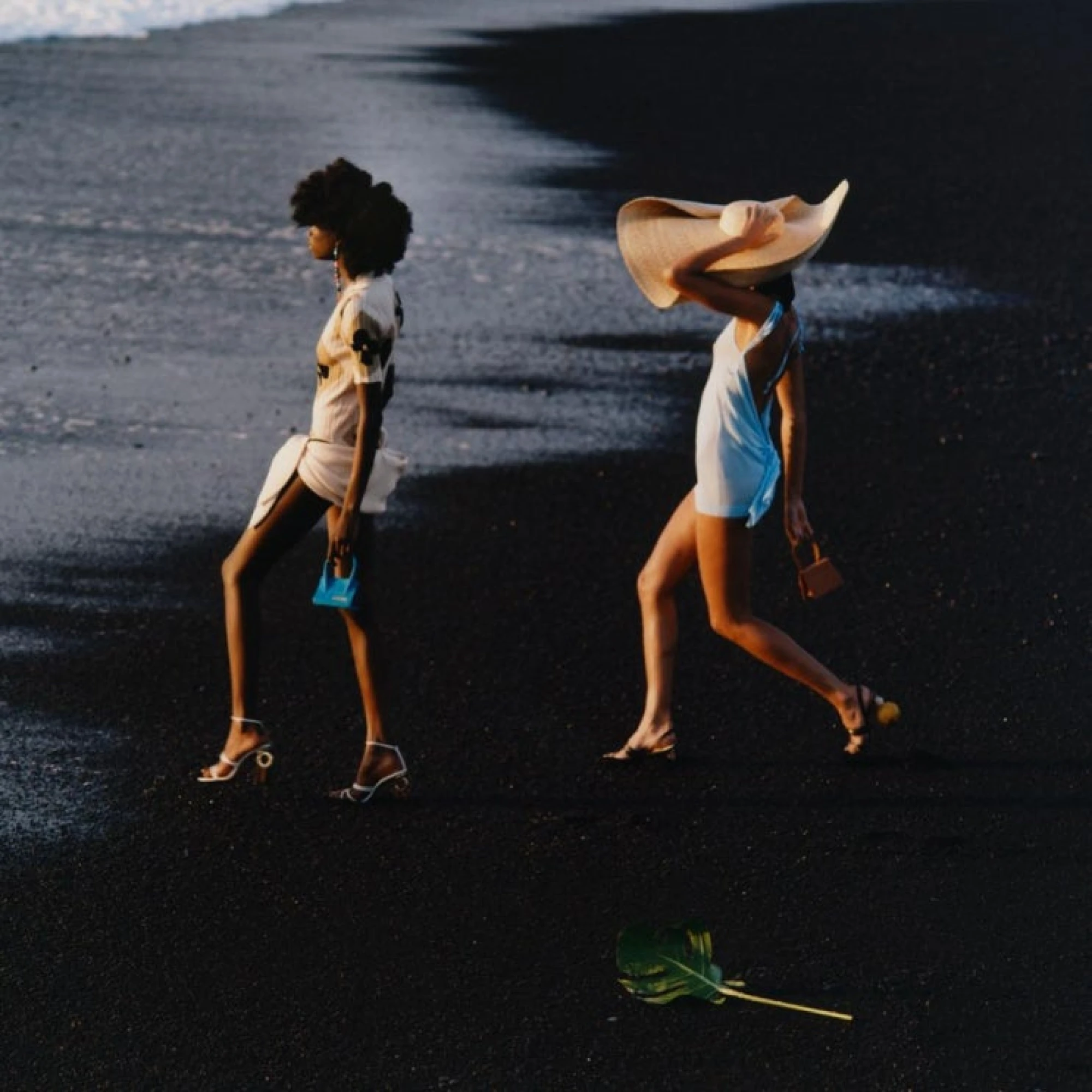
Jacquemus Spring/Summer 2018, by David Luraschi
A wealthy sportsman buys a £100,000 ACME whistle to use with his dogs in the field. Made from sterling silver and set with 470 diamonds totalling 12.57 carats, it works no better than a £5 plastic whistle. But anyone can buy the plastic one. The point is to let everyone see that you can happily fritter away £100,000 on something utterly frivolous.
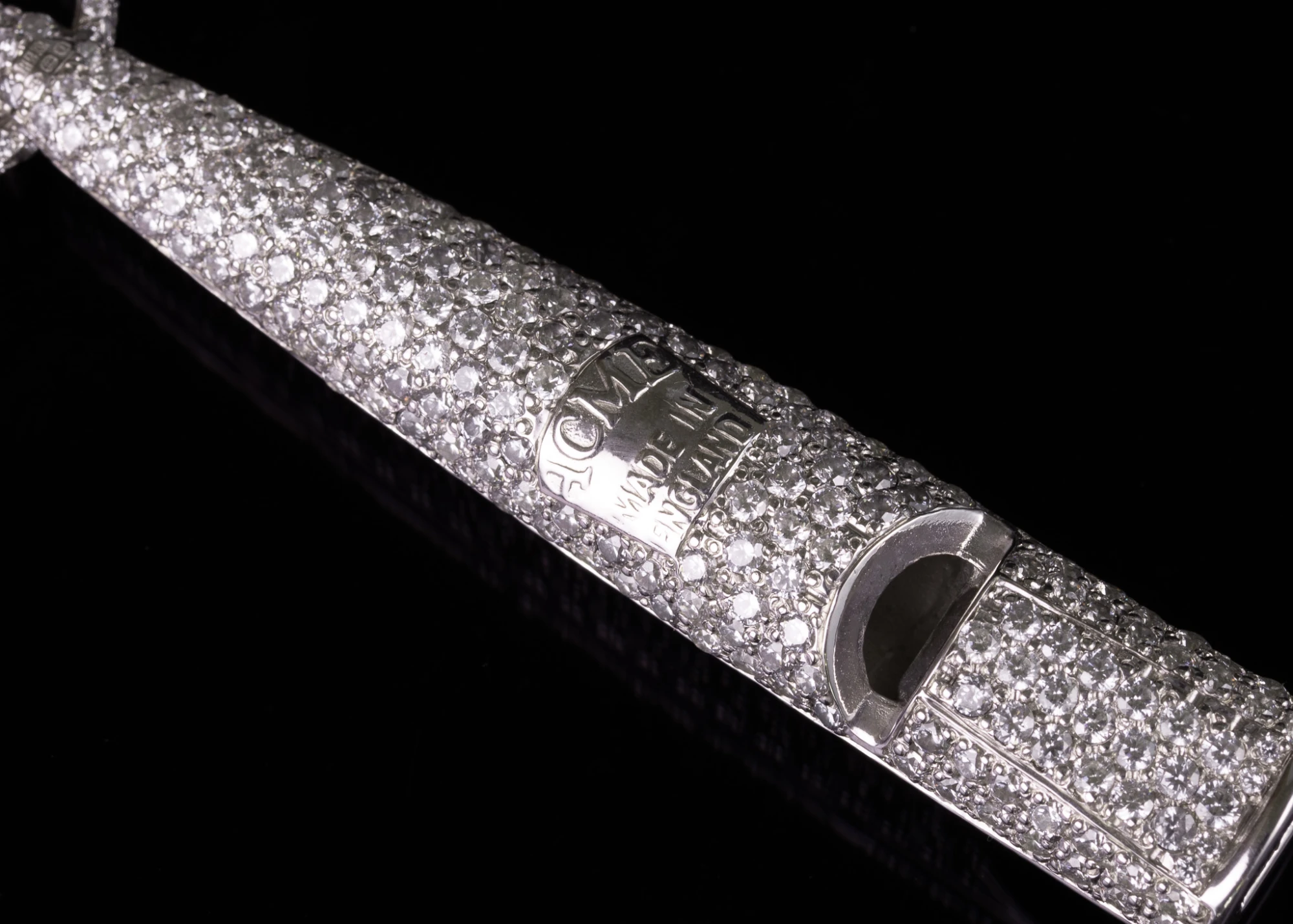
An ACME whistle adorned with 470 diamonds / acmewhistles.co.uk
‘Pecuniary emulation’ was another of Veblen’s terms. Put simply, it describes the eagerness of the middle and lower classes to imitate the elite’s spending habits. People buy more affordable, though still unjustifiably expensive, symbols of luxury to appear closer to those at the top of society. Once a status symbol becomes commonplace, the upper classes find new, ever more rarefied or absurd ways to show that they remain beyond reach. Another round of the status race begins.
Through emulation, an object’s uselessness comes to be seen as a mark of exquisite taste rather than folly: something to aspire to. The conspicuous waste of the ultra-wealthy thus becomes the principal engine of the global consumer economy. The luxury industry’s golden rule is to design goods that appear as useless as possible in practical terms, yet carry the greatest possible social prestige. The irony is that The Theory of the Leisure Class, written as an indictment of capitalism, went on to become the definitive handbook for selling luxury.
When Being Busy Became the New Luxury
In the nineteenth century, wealth was displayed through leisure and conspicuous idleness. In the second half of the twentieth, post-war capitalism broke the hereditary aristocracy’s hold on the social hierarchy. In the United States during and after the Second World War, in the 1940s and 1950s, the top rate of income tax reached 91 per cent. In Britain, the highest earners faced rates of as much as 95 per cent in some years. Death duties and high taxes on capital left many aristocratic families in Britain and continental Europe unable to maintain their ancestral estates. They were forced to sell land, art collections and castles. This was the decline of ‘old money’ and the rise of ‘new money’ and the self-made rich.
People stopped boasting about their leisure. Being permanently overworked became the defining badge of distinction. ‘I’m terribly busy’ was the status mantra of the age.
An education at a leading university, once the preserve of the aristocracy, became more accessible through government programmes, opening a route upwards for people from working-class families. Economic historians call the period after 1945 the ‘golden age of capitalism’. Rapid GDP growth, mass production, the expansion of multinational corporations and the arrival of millions of newly qualified professionals in the workforce created a powerful upper middle class. This prosperity gave rise to a cult of achievement. For the first time, television and advertising brought images of success into every home. A Rolex, an immaculate Savile Row suit and a Louis Vuitton bag became trophies, signalling that their owners had triumphed in the corporate rat race and reached the top of the social ladder.
Quiet Luxury: The Art of Being Recognised by Few
In the early 2000s, it was still possible to close the office door and leave work behind until morning. Smartphones and the internet dismantled that boundary. Work followed us home, on holiday and even into bed. The arrival of the BlackBerry in the 2000s and the iPhone in 2007 ushered in an ‘always-on’ culture. A work call at ten in the evening meant you mattered. Messages on a Sunday and a diary booked solid three weeks ahead meant you were indispensable. Workaholism was successfully repackaged as a personal choice and a sign of ambition. In the name of personal fulfilment, people began to exploit themselves quite willingly.
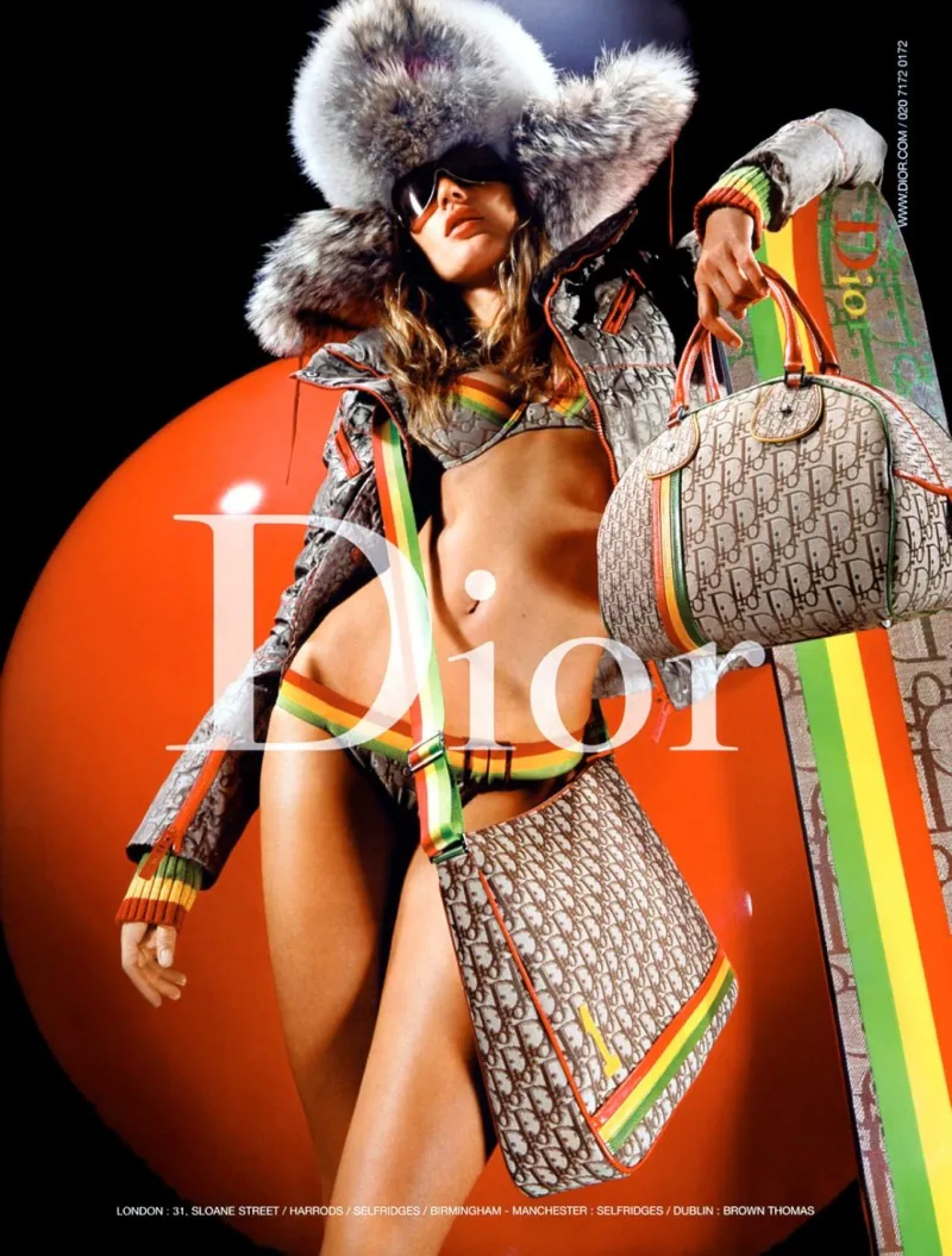
Gisele Bündchen in Dior’s Fall/Winter 2004 campaign. Photographer: Nick Knight
The global financial crisis of 2008 marked a turning point for the luxury market. Against a backdrop of mass redundancies, bankruptcies and financial insecurity, conspicuous wealth and ostentatious glamour began to look vulgar. Flaunting one’s fortune became socially unacceptable. Fashion analysts and cultural commentators observed a widespread shift among wealthy consumers after 2008 towards clothes without logos, neutral palettes and discreet signifiers of status. The terms ‘stealth wealth’ and ‘quiet luxury’ became firmly established.
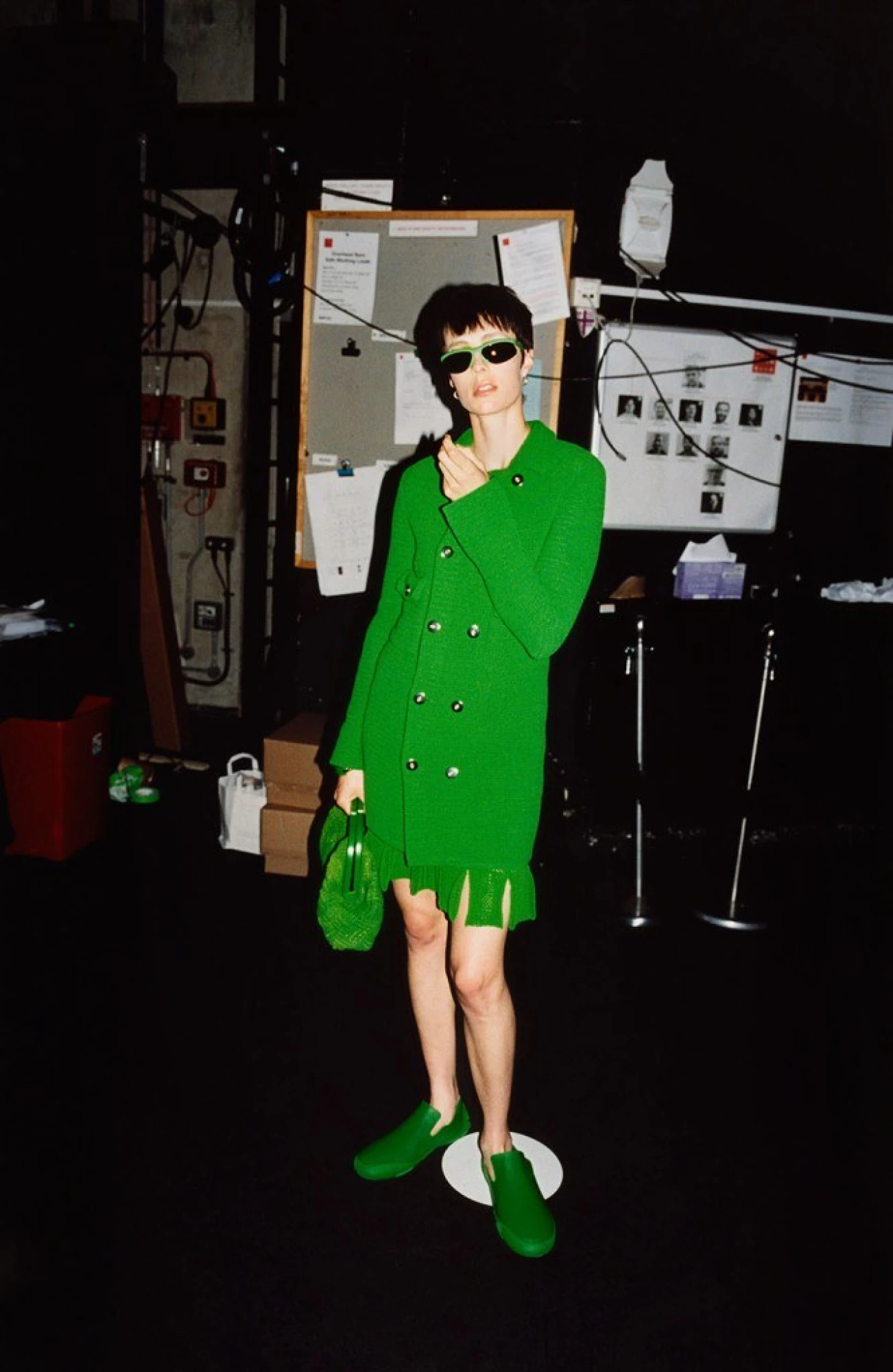
photo: Bottega Veneta
Research into quiet luxury, including analysis by Bain & Company and marketing professor Jonah Berger’s work on ‘invisible brands’, confirms the shift among wealthy consumers towards goods without overt logos. Status resides in the details: Loro Piana’s tiny My Charms padlock charm or the understated buttons on a Brunello Cucinelli garment. These house signatures form a private visual code. The particular shade of Hermès orange, Bottega Veneta’s distinctive Bottega Green, the recognisable arms of Jacques Marie Mage glasses or a particular leather stitch, such as Hermès’s saddle stitch, all signal who belongs and who does not. Such objects have become a passport to an exclusive club for those with the requisite bank balance and an understanding of its unspoken codes.
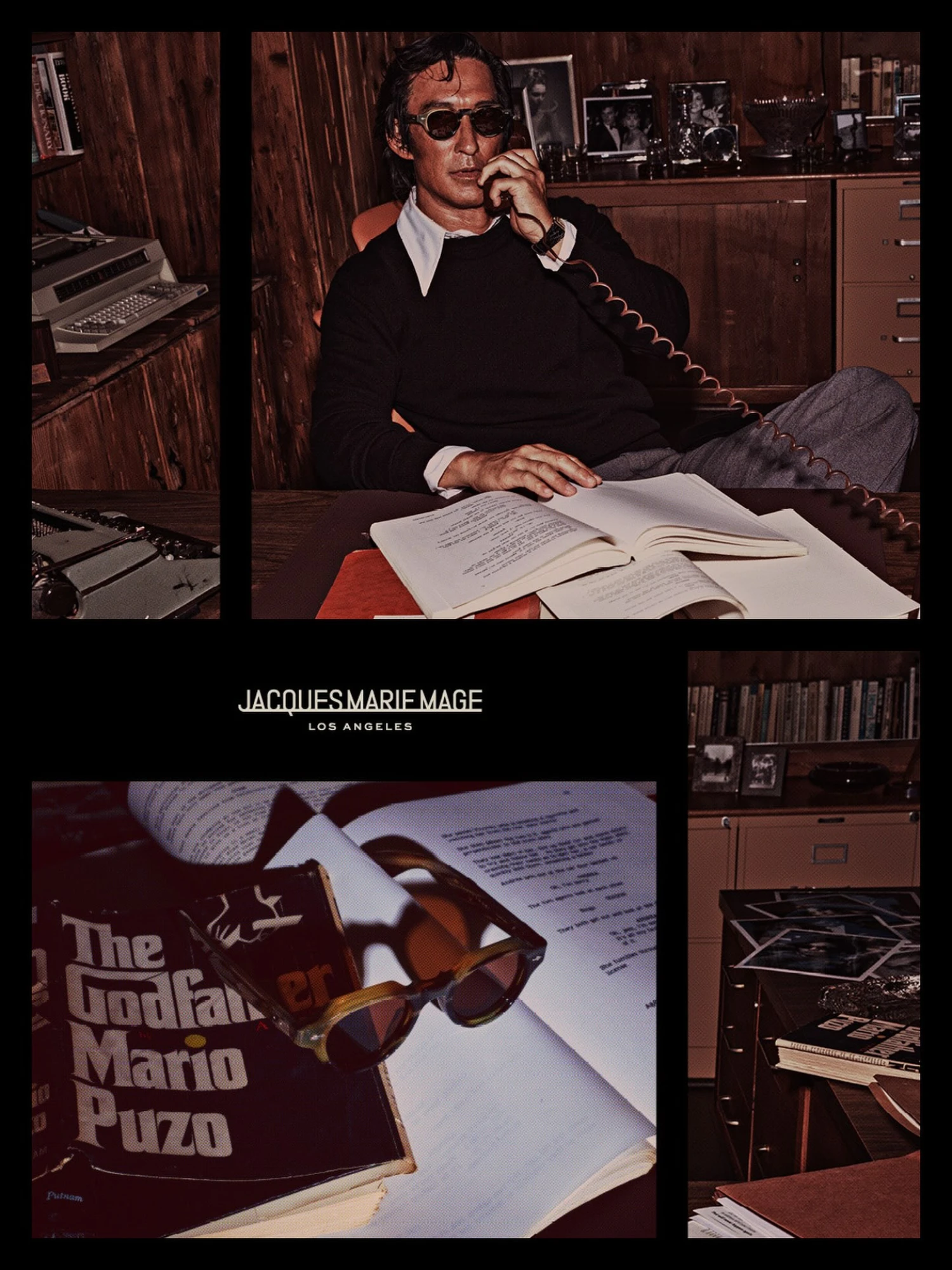
photo: Jacques Marie Mage
When Luxury Became Accessible
Yet even this coded world of possessions soon encountered a new reality. Luxury rests on a visible distinction between the elite and everyone else. As social media flourished and fast fashion expanded, mass-market giants such as Zara used exceptionally fast supply chains to reproduce catwalk looks in just seven to fourteen days. The time lag that once separated high fashion from the high street disappeared.
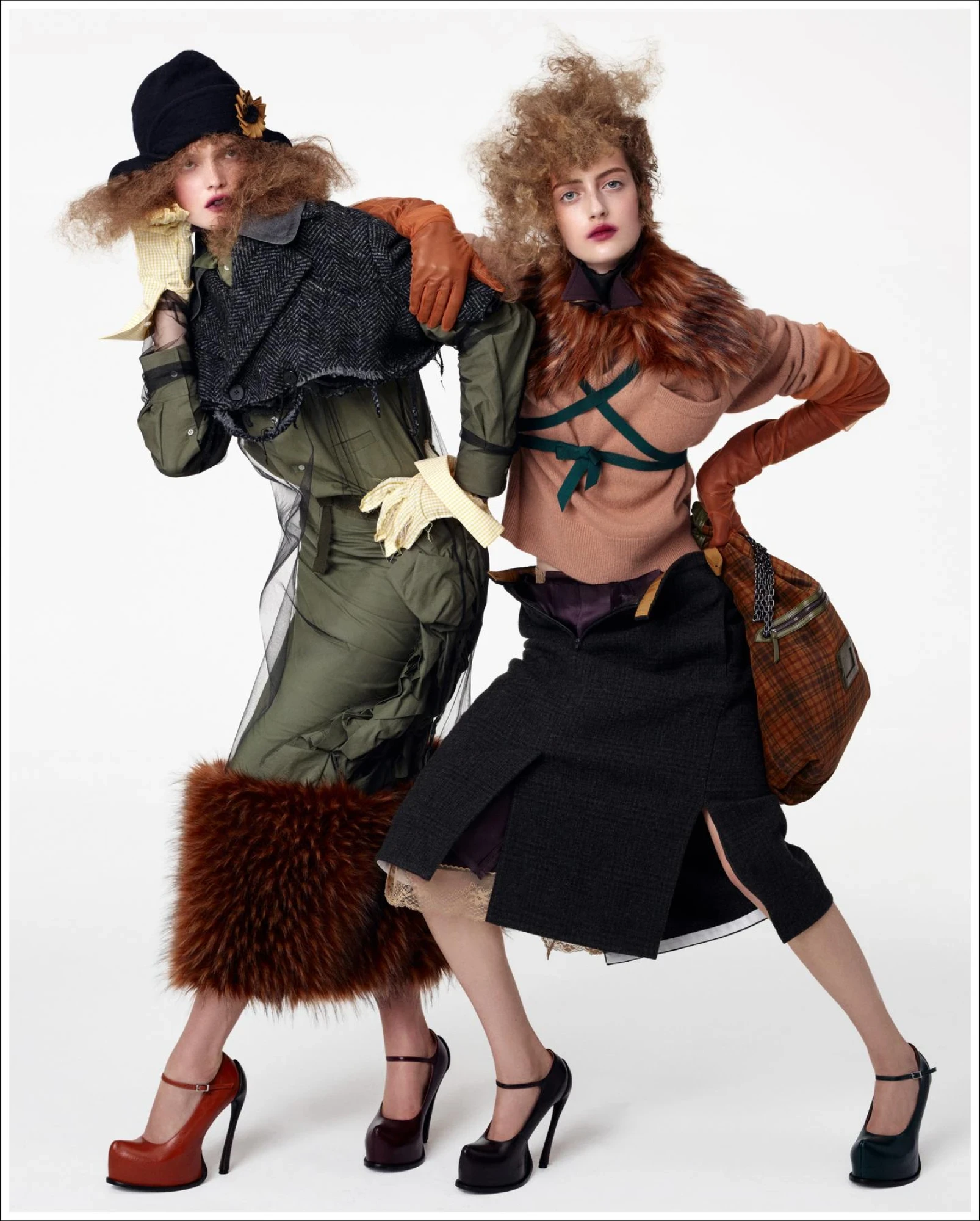
John Galliano’s Collection for Zara
Then came the ‘superfakes’: replicas of Birkin bags and Rolex watches, with materials and details, down to the stitching, reproduced with extraordinary precision. Even experts find it almost impossible to tell the genuine article from a copy by sight. For the elite, an object ceases to be a luxury once anyone can imitate or acquire it. Its appeal fades. In a world where almost anything can be reproduced, manufactured or bought, the truly finite resources are time, privacy, access to closed circles and digital autonomy.
Today, the ability to demonstrate complete ownership of one’s time and control over one’s life belongs to those at the very top of the social hierarchy. ‘My watch has no hands; I don’t keep track of time.’ ‘I don’t have a personal social media account.’ ‘I choose cities without crowds and buy land and a house where I have no neighbours.’ ‘I can afford never to be anywhere I don’t want to be.’ These are the ultimate expressions of contemporary privilege.
Cultural commentators, sociologists and luxury-market analysts observe that, under digital capitalism, round-the-clock availability has become a mark of salaried work and middle-class life. Society is divided between those who make a show of selling every minute to prove how much they matter and those who can afford not to count the hours at all. The truly wealthy buy what remains out of reach for the majority: the right to step outside the system. To withdraw from public life for a few months, leave messages unanswered, spend a day without a phone or enjoy a morning free from notifications: these are now the most exclusive status symbols.
The Attention Economy: The New Battle for Our Most Valuable Resource
According to a report by Bain & Company, the years between 2022 and 2024 marked the official end of the cult of achievement. For decades, middle-class shoppers had driven luxury brands’ growth, buying belts, fragrances and small leather goods as their ticket into the world of success. Luxury brands were therefore the first to feel the trend coming to an end. Hyperinflation and falling purchasing power forced the middle classes out of the game, and 50 million customers left the luxury market. Brands such as Brunello Cucinelli and Loro Piana benefited from this global shift in taste. They cater exclusively to very-high-net-worth clients, for whom an economic crisis is no reason to abandon the comfort they have known since childhood or to change their habits.
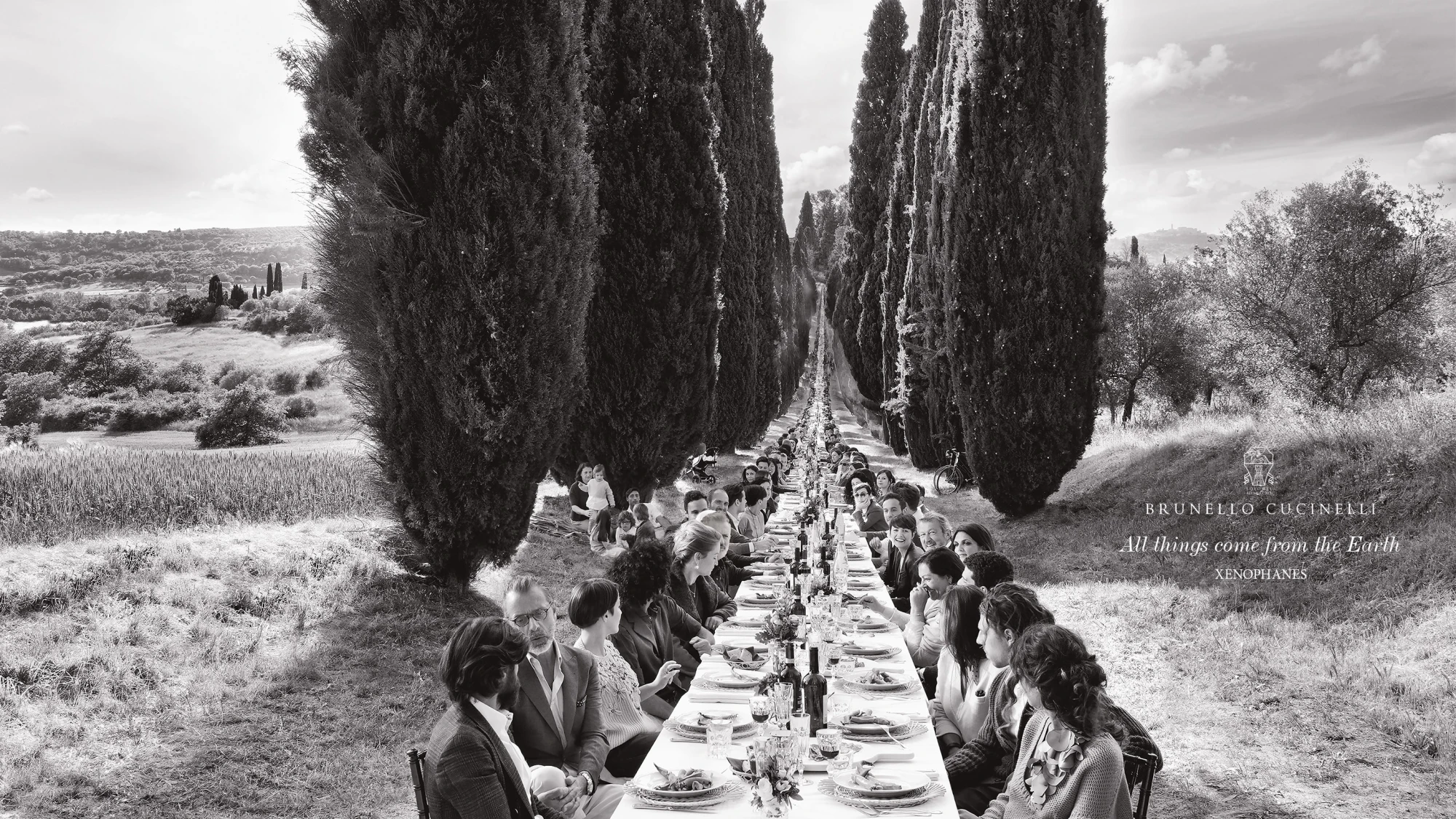
photo: brunellocucinelli.com
Research by the World Economic Forum and leading technology analysts confirms that generative AI and the automation of routine tasks are shifting the emphasis from how much we produce each hour to how well we can concentrate. By 2030, the working week will be shorter still, machines and AI will take care of domestic tasks, and multitasking will be the norm.
By 2035, the new symbol of status and luxury will be the ability to direct one’s attention and understand one’s own desires. The way people spend their time and the company they keep reveal more about their status than the brands they own. This shift towards ‘existential consumption’ is a natural continuation of the evolution of elite status.
The Right to Be Invisible as the Ultimate Privilege
Today, the greatest luxury is the right to stay out of sight: to step outside the system and reclaim control of one’s time. Sociologists are exploring the ‘right to be offline’ and the idea of ‘digital shadows’ as responses to what Shoshana Zuboff calls ‘surveillance capitalism’. The ability to remain invisible to algorithms is becoming a privilege of high status.
Over the next decade, the defining status symbol will be the ability to govern our own attention and recognise what we truly want, as distinct from what algorithms tell us to want. Yuval Noah Harari’s work and research into neuromarketing confirm that, in a world where neural networks and biotech algorithms compete for our attention one dopamine hit at a time, freedom from targeting is the ultimate privilege.
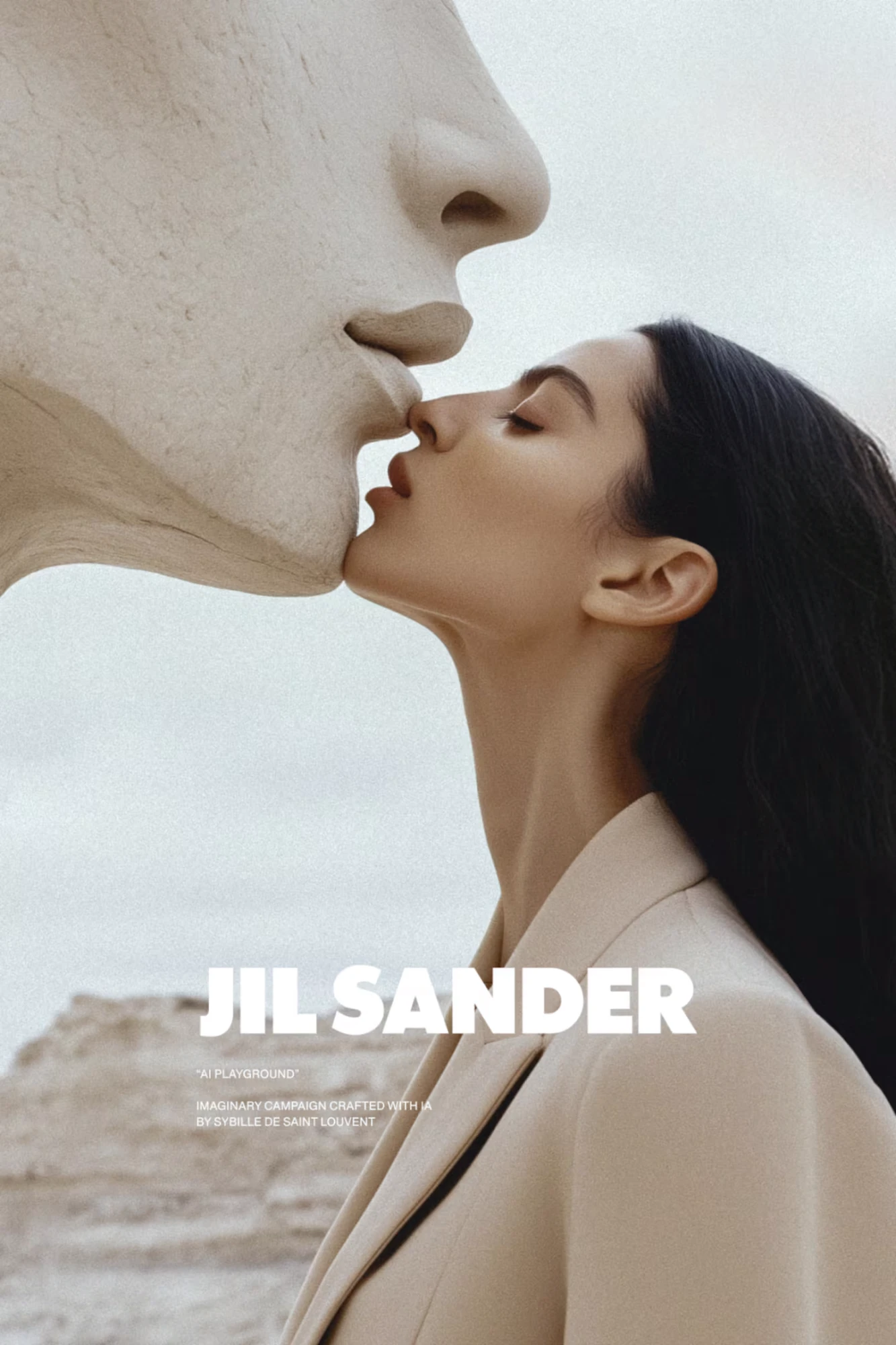
The image depicts a fictional Jil Sander advertising campaign created using artificial intelligence
The ability to see underlying causes, distinguish truth from illusion and remain true to oneself is a rare form of capital. It gives us genuine agency. Modern luxury is no longer measured by the things you own. It is measured by what you can afford to refuse, and by your right to remain beyond the reach of those who would manipulate you.