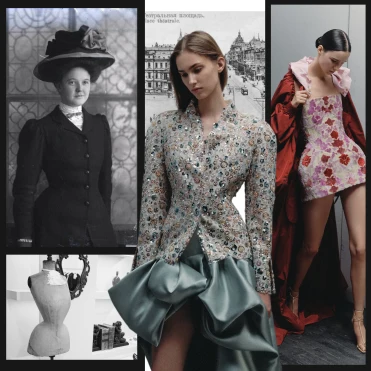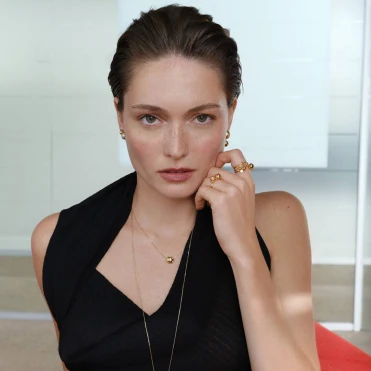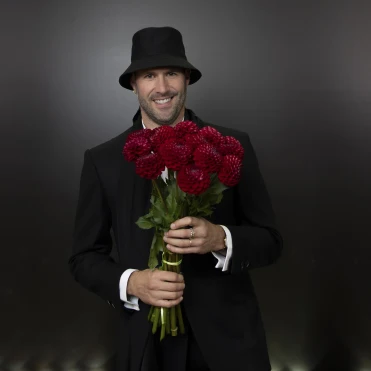
In 2027, Kachorovska will celebrate two milestones: the brand’s 20th anniversary and 70 years of family shoemaking history. In the run-up to the anniversary, the team began compiling the archive and, in doing so, rediscovering its own past: the bespoke atelier, the first collaborations with Ukrainian designers, old techniques, family photographs, and items that, decades later, suddenly seem relevant again.
We spoke with Alina Kachorovska and the brand’s team about why it makes sense to look back precisely when you want to move forward.
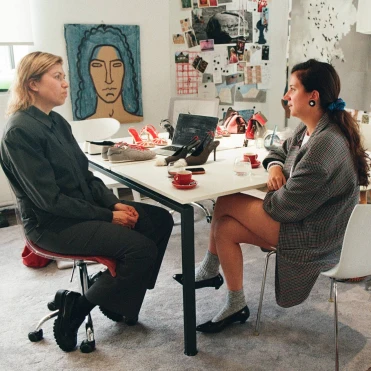
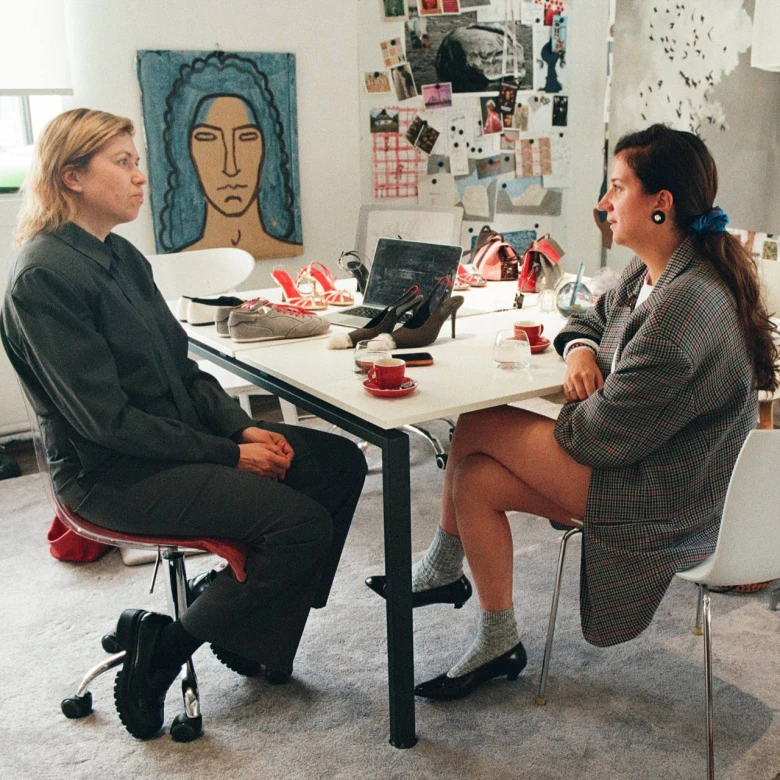
We met with Alina and the Kachorovska team at the brand’s office, where work on the new collection is underway. On the windowsill, I notice two ducks, one wooden and one glass. A few hours into our conversation, it becomes clear that there’s no such thing as a random duck at Kachorovska.
The walls of the brand’s creative director’s office are covered with photographs that served as references for the collection, Pantone colour swatches, works of art, and reproductions and, once again, ducks. You have to make your way to the desk almost cat-like: scattered across the floor are various models of shoes – both heels and flats – with original designs and a special focus on ergonomics, but not a word about them, because this is the new collection.
The table itself, contrary to my expectations, is almost empty. No picturesque piles of sketches and folders (though perhaps they were simply cleared away before I arrived). It’s customary to approach anniversaries with a look back at achievements. Alina Kachorovska, it seems, is approaching hers with an archaeological dig.
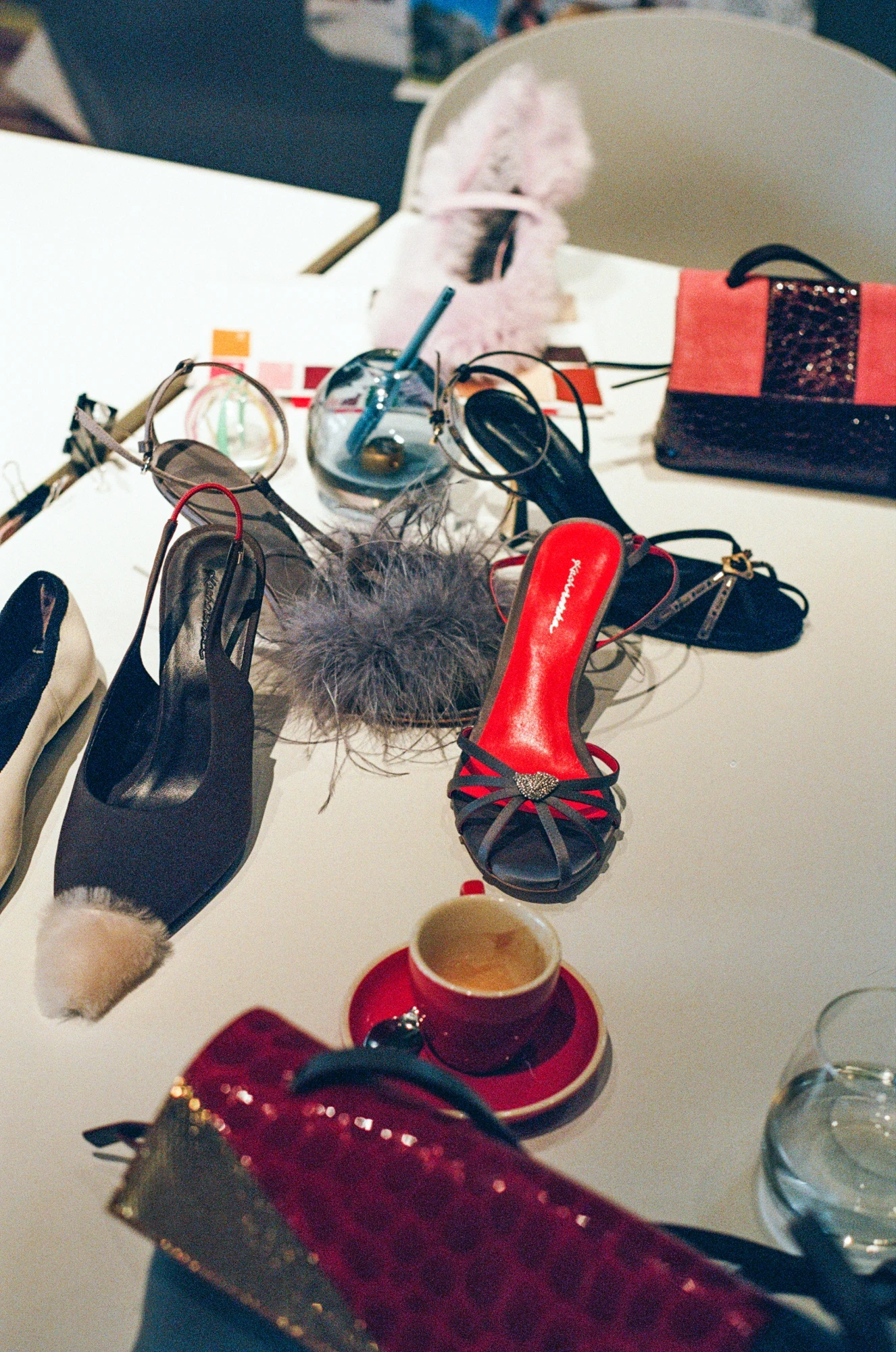
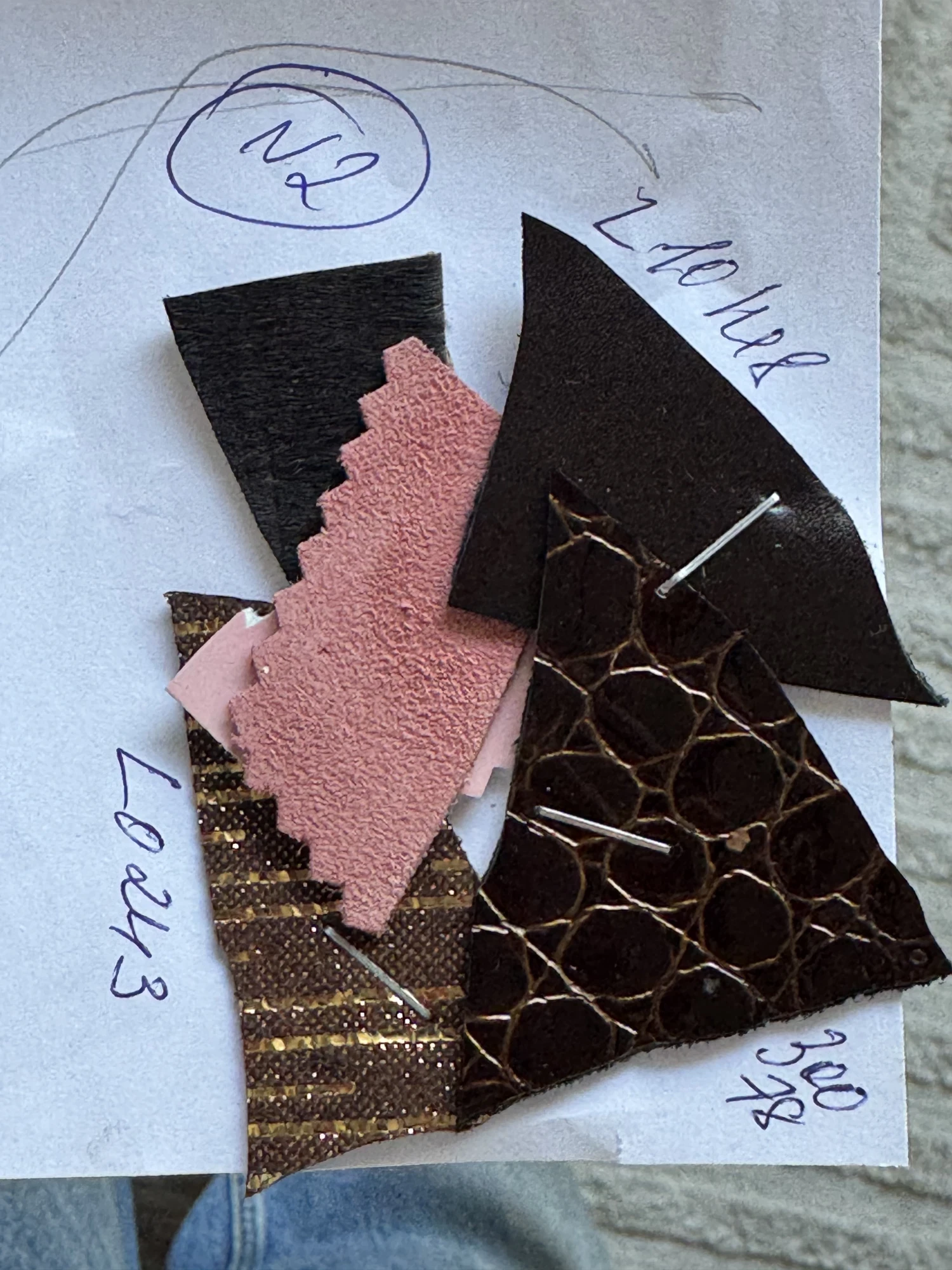
In early 2026, Kachorovska began systematically working through its archives. Collecting media coverage, paper documents, digital mentions, photographs, samples of shoes and bags from previous collections, and the stories of people whose professional careers were tied to the brand. Digitizing, searching, and conducting interviews. The team even assigned a dedicated person to this task. The work has already taken hundreds of hours, and this is just the beginning.
One of the documents that served as the starting point for piecing together the timeline was the employment record book of Alina’s grandmother, Leonida Sigismundivna. On October 8, 1957, she began working at a shoe cooperative in Soviet Ukraine. This event marked the first documented milestone in the family’s history. In 2027, exactly 70 years will have passed since that landmark moment, and the Kachorovska brand itself will turn 20. “These two dates are very important both for the brand and for me,” says Alina. Ahead of the anniversaries, she decided not to invent a new story, but to examine the old one in detail.
The employment record book, the Atelier, and Serhiy Smolin
It quickly became clear that the archive was much more than just a family history. For two decades, the Kachorovska atelier created shoes for Ukrainian fashion brands. Now the team is searching for these samples, restoring names, dates, models, and photographs.
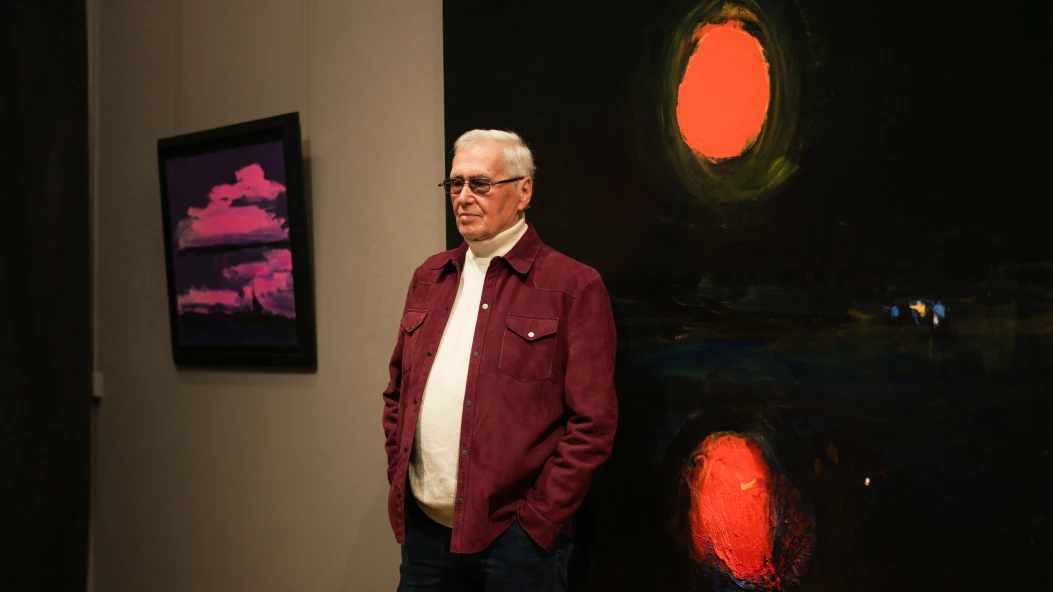
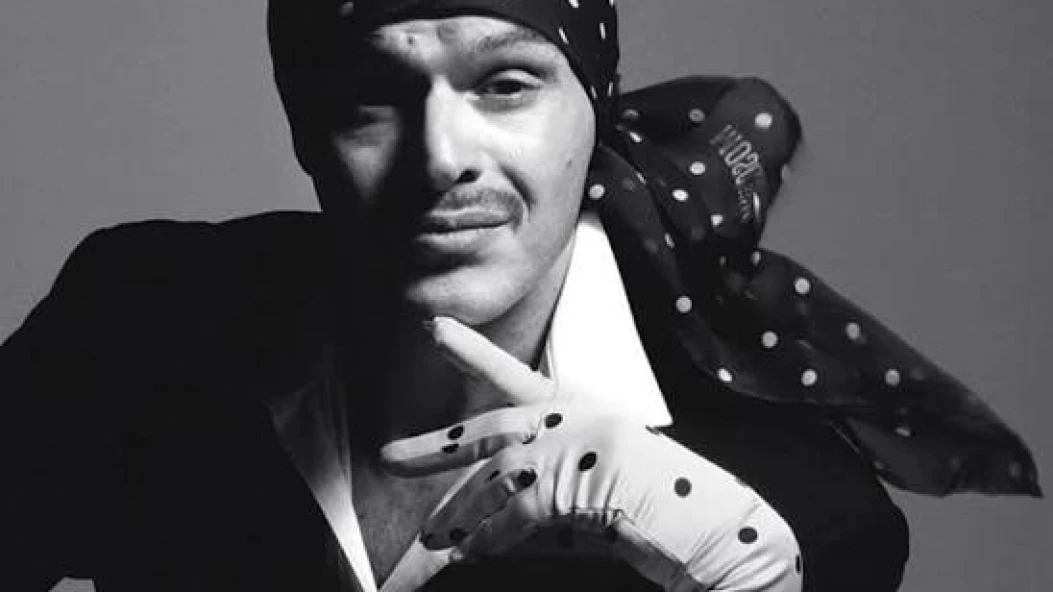
One of the first such stories involves Serge Smolin and his men’s brand, IDoL. At the time, Alina was still studying at Mohyla Academy and was taking orders at the atelier on the side. It was for Smolin that the team created its first collection of shoes for a runway show: “If we were to produce that same shoe design today, I think it would be a sensation. It’s ultra-stylish and still fashionable today.” Alina’s first Ukrainian Fashion Week is also connected to that same collection. The show took place on October 17, her birthday.
Today, she opens folders she hasn’t seen in about ten years and is amazed at how contemporary some of the designs still are: “I’m simply thrilled! Almost any pair in there could be sent down the runway, put on sale, or included in a collection as early as next season; they haven’t lost their relevance. Overall, there are many talented designers in the Ukrainian fashion industry.”
Alina isn’t naming all the designers just yet; the team plans to showcase these archival collaborations next year.
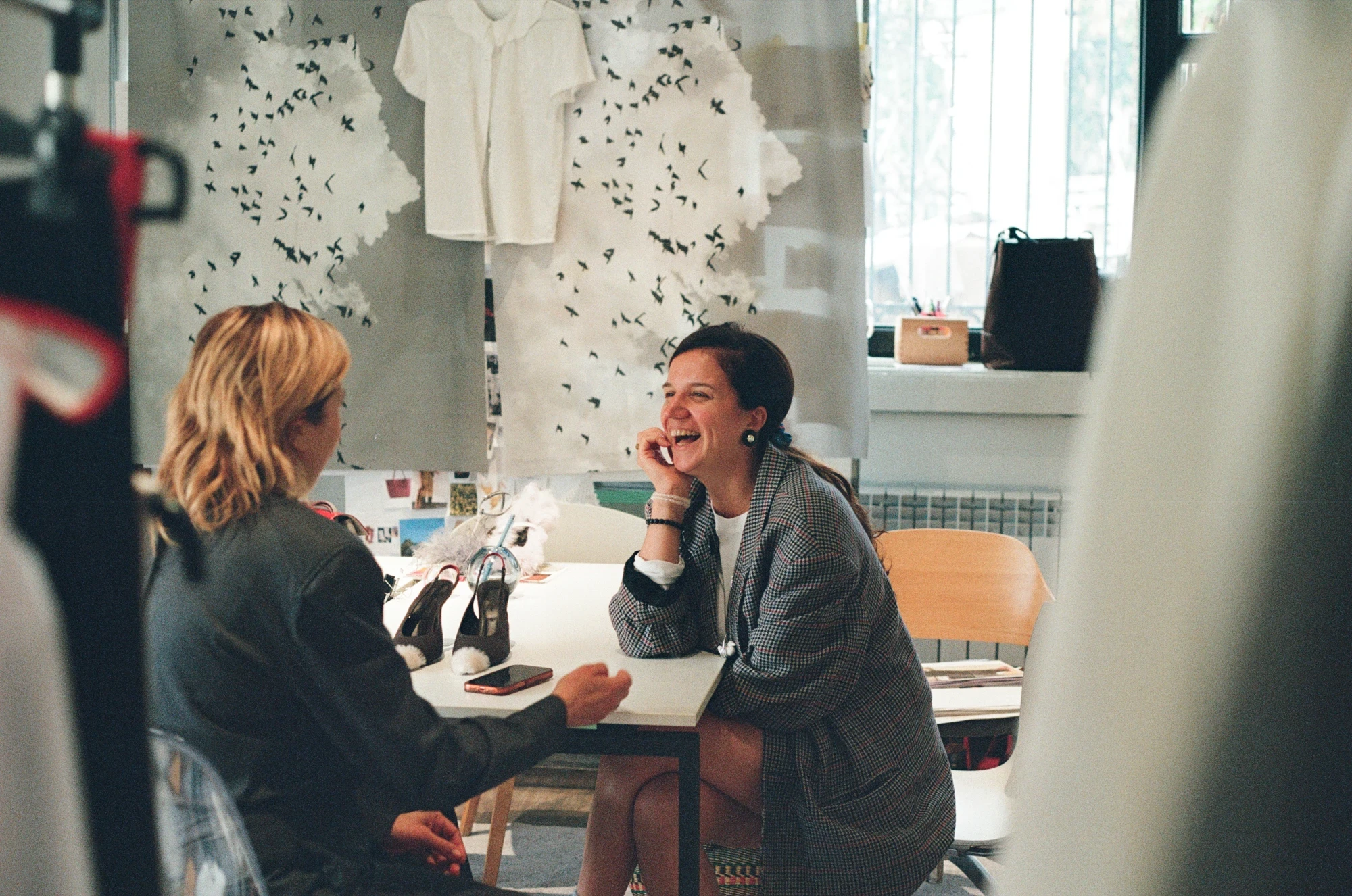
The history of Ukrainian fashion over the past few decades has been documented in one way or another: through fashion shows, collections, designers’ archives, and photographs. Footwear, however, has far more often remained out of the spotlight. The Kachorovska Archive will bring the history of Ukrainian footwear design over the past twenty years to light.
The Kachorovska bespoke atelier closed about four years ago. But the people who worked there haven’t gone anywhere. Patternmakers, technicians, and designers, the core of the brand’s current design studio, all came through the atelier.
“Some have been with Kachorovska for eight years, some for ten, some for twelve. I’ve been here my whole life,” smiles Alina Kachorovska.
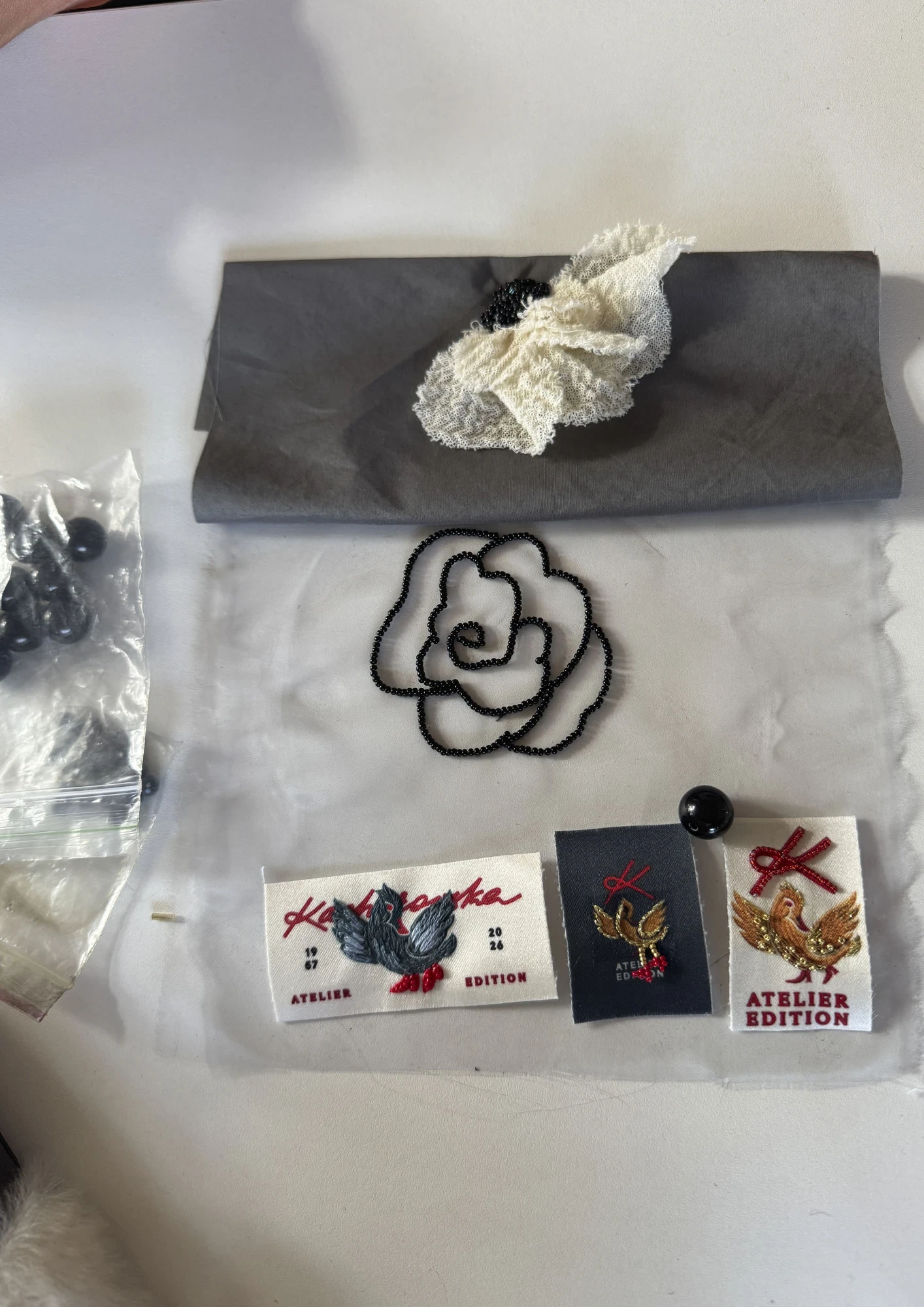
About a year ago, when the team began planning a new collection, instead of looking for yet another external reference, they decided to look inward. Specifically, they turned to the patchwork technique. It was very popular among the atelier’s clients, as it allowed them to choose contrasting linings for their bags, combine different colours and materials, and customise details. A custom order was less about executing a pre-formulated design statement and more about play and dialogue. Now this authentic approach forms the basis of the regular collection. This is exactly how the Atelier series was born: pieces that are created primarily by hand and embellished with embroidery, patchwork, and unique elements that cannot be mass-produced.
Kachorovska footwear: Freedom of movement and freedom of choice
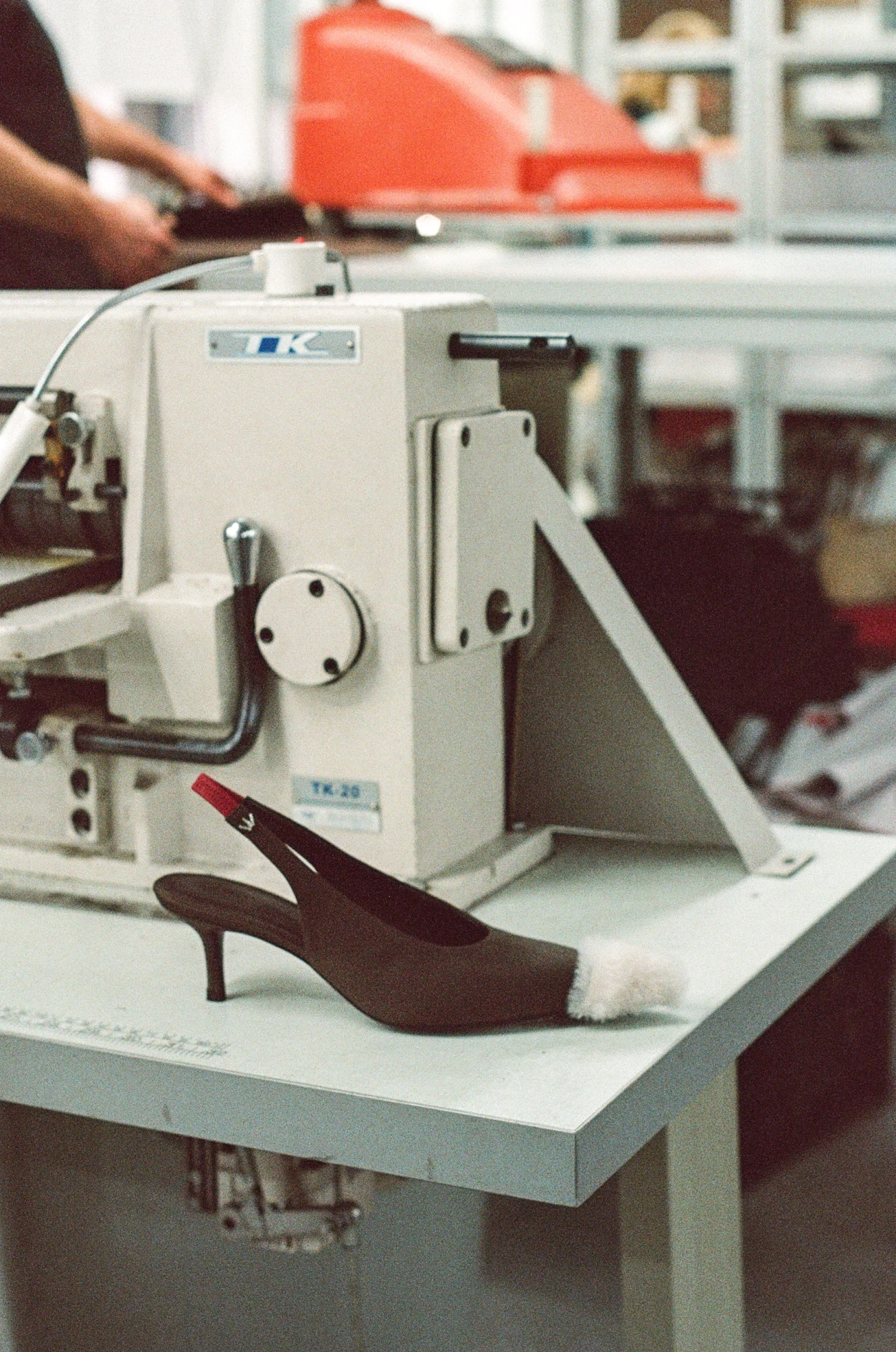
The new line currently features only women’s footwear, while the team plans to launch a men’s collection later. The example of shoes and boots particularly highlights how the atelier’s artisanal approach meets modern manufacturing. Some processes remain handcrafted, while others are enhanced by technology. For example, perforations, which a master craftsman once made with a punch, are now created using a plotter. Complex decorative details may originate in the hands of an artist, and only then do specialists seek ways to optimise individual stages of the process. And they do this not to replace the craft, but to clearly understand where it is truly indispensable.
For Olga Dzey, a shoe designer at Kachorovska, her atelier experience was brief, but it laid the foundation for the vision the brand returned to when creating its new line. It’s not so much about specific techniques as it is about the absolute freedom for the clients. A customer would walk in and see hundreds of varieties of leather, shades, and combinations before them. They could suggest their ideas and create a unique pair in collaboration with the artisans. The results were sometimes unexpected, and it is precisely this unpredictability that has now become especially valuable.
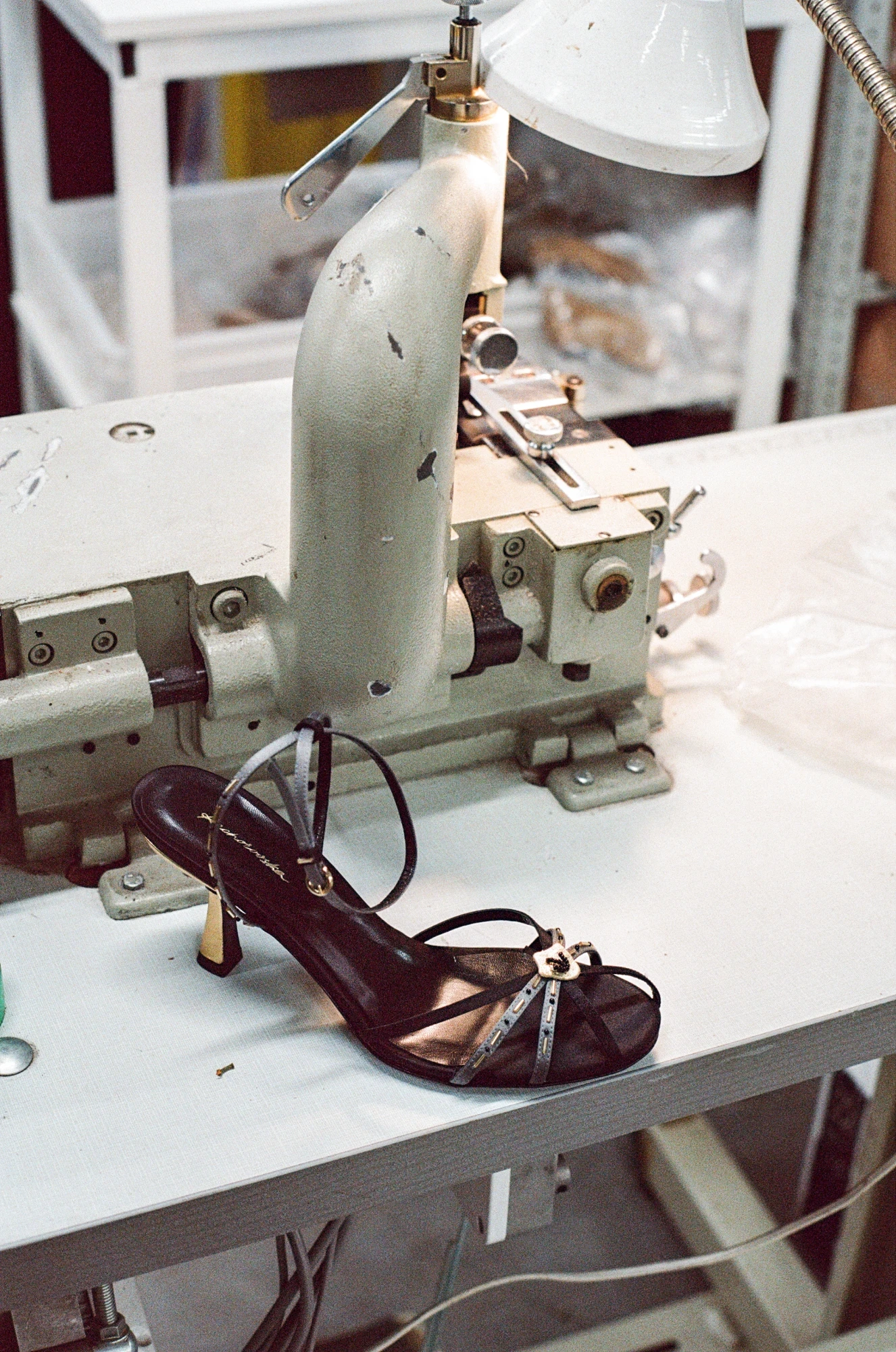
“My main memory of the atelier that has carried over into this collection is its individuality and one-of-a-kind nature. Hand embroidery isn’t about producing a million pairs. And I love that uniqueness,” Olga Dzey, footwear designer at Kachorovska.
In the shoes from the new collection, the team decided to convey this freedom through unexpected details, combinations of materials, and hand embroidery. But there’s another parallel with the atelier: the complexity of the designs themselves. It isn’t for showing off the craftsmanship for its own sake, but to ensure the piece doesn’t look like the result of mass production.
Alongside classic pumps in unconventional colours, the atelier has always taken custom orders, for which designers had to effectively construct a new model, invent unusual elements, and find ways to bring to life what had never been done before. This approach has been carried over into the new collection. “All of this makes the product more valuable,” says Olga.
At the same time, there’s one thing Kachorovska is fundamentally unwilling to sacrifice for the sake of design: comfort. After all, that’s exactly how the atelier began: a specific foot, specific anatomy, proportions, heel height, and fit. When you’ve been making shoes tailored to the individual for decades, comfort ceases to be a KPI and becomes a fundamental requirement. “You won’t find sandals at Kachorovska with 11-centimetre stiletto heels that you can’t even sit in. That’s a height incompatible with real life,” says Alina. And she playfully shows off the pair she wore to the meeting: elegant pumps with 3-centimetre heels. They’re sophisticated and allow freedom of movement.
The topic of freedom in general comes up constantly in our conversation. For Alina, an object shouldn’t dictate a woman’s way of life. A bag’s handle can be shortened or replaced. Clothes can be tucked in, rolled up, or layered. A belt can be used in a way other than what the designer intended. First and foremost, the woman should stand out. Then comes what she’s wearing.
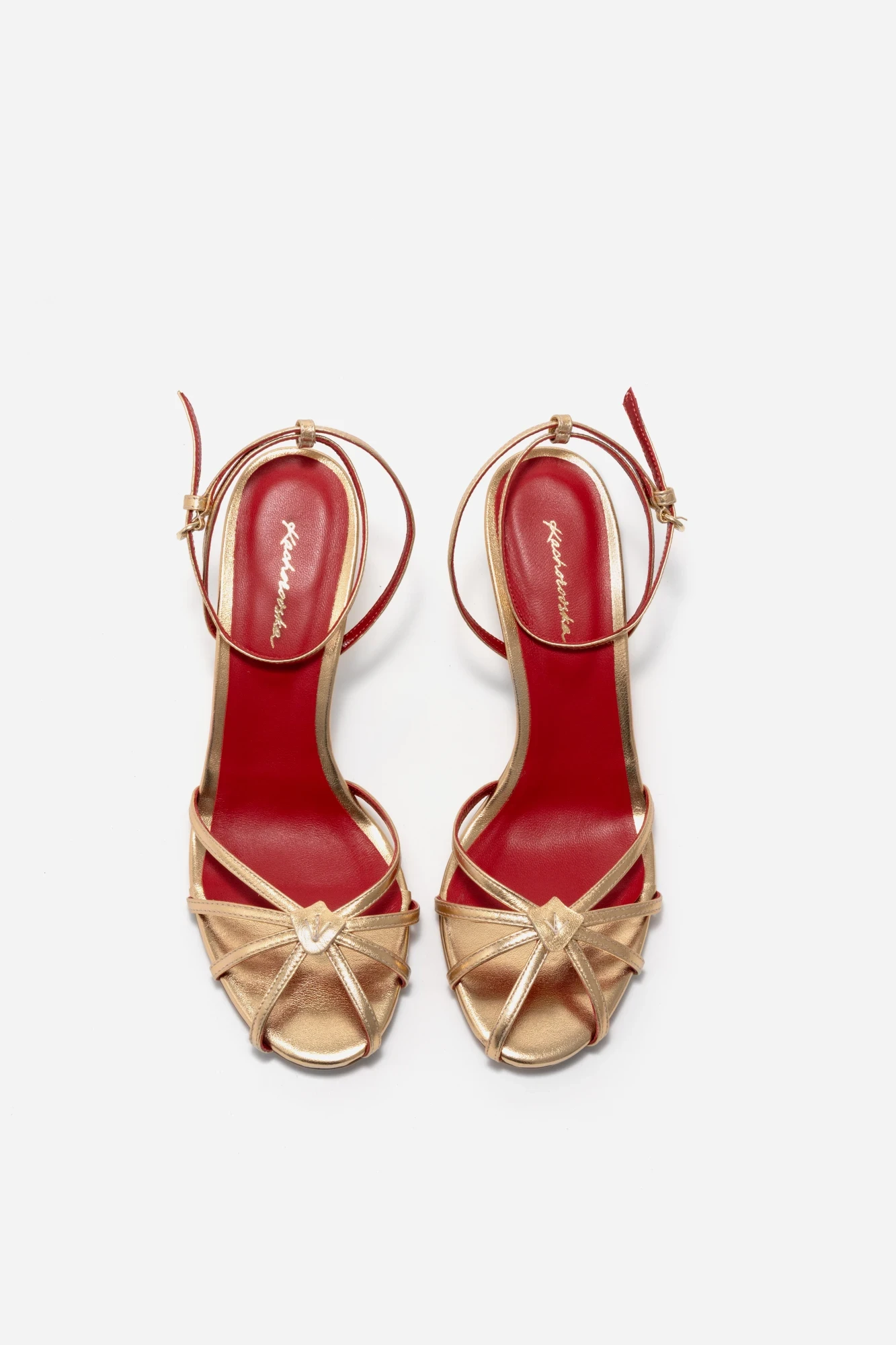
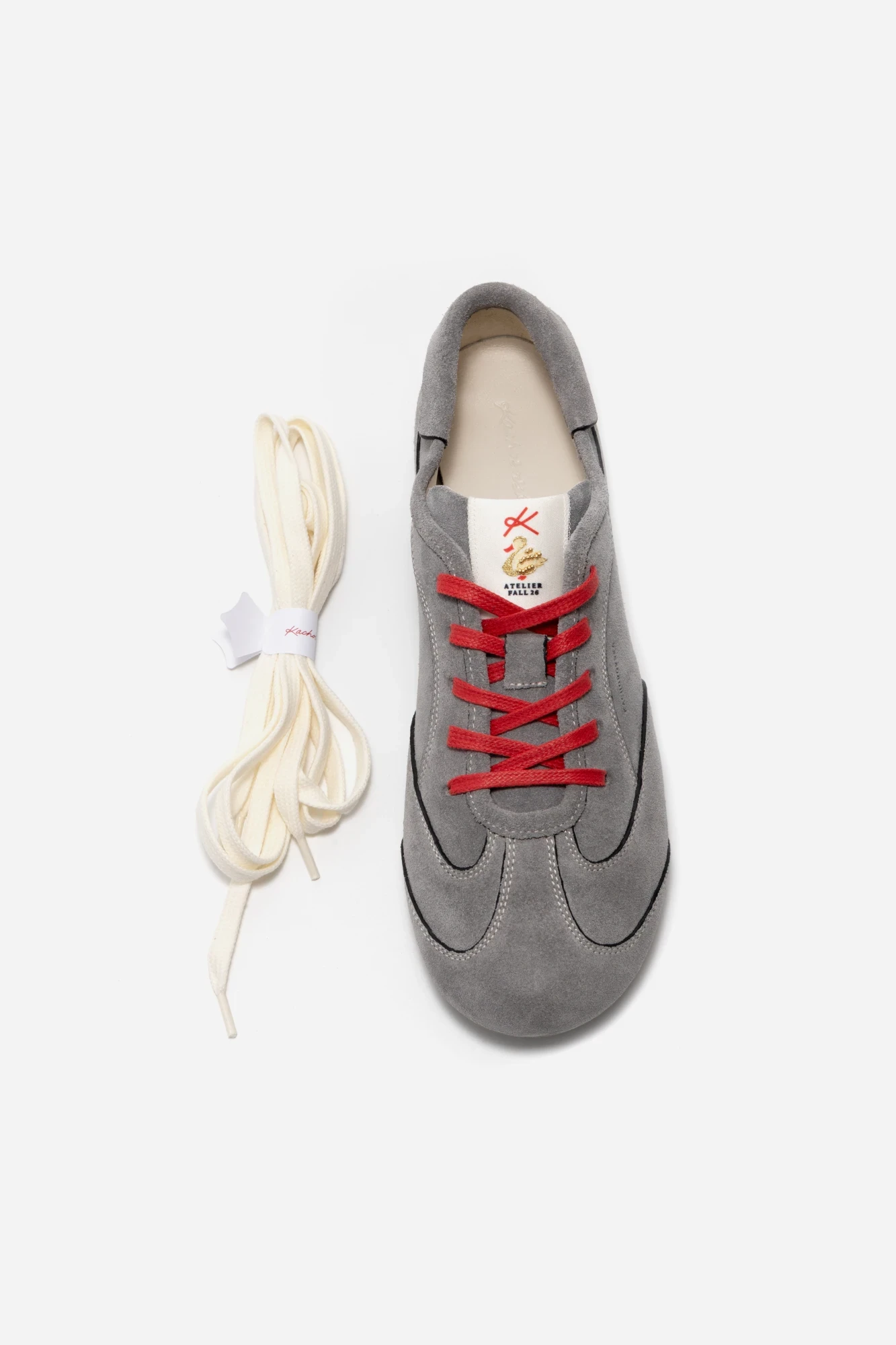
A bag they weren’t afraid to ruin
In the bag collection, the return to the roots also began not with a specific model, but with the very principle of selection. Vladislav Penchuk has been working at Kachorovska for ten years, five of which have been in custom tailoring. He vividly remembers how customers would come in to mix and match textures for their future accessories: choosing between smooth or textured leather, experimenting with prints and unexpected colours. It is precisely this authentic freedom that the brand has carried over into the Atelier series, now without the option for custom orders, but with a much bolder play on materials.
In search of the right textures, the team travelled to their supplier in Tuscany. There, they found old leather embossing plates, featuring flowers, stripes, and wavy textures and used them for the new collection. They also brought back Saffiano, a leather that, according to Vladislav, was once one of the atelier’s bestsellers.
“We took the textures and leathers we used to work with at the atelier and adapted this approach to the contemporary collection. We wanted to bring back the very spirit of individuality: the opportunity to choose not the usual smooth leather, but, for example, a texture with flowers,” shares Vladislav Penchuk, designer of Kachorovska bags.
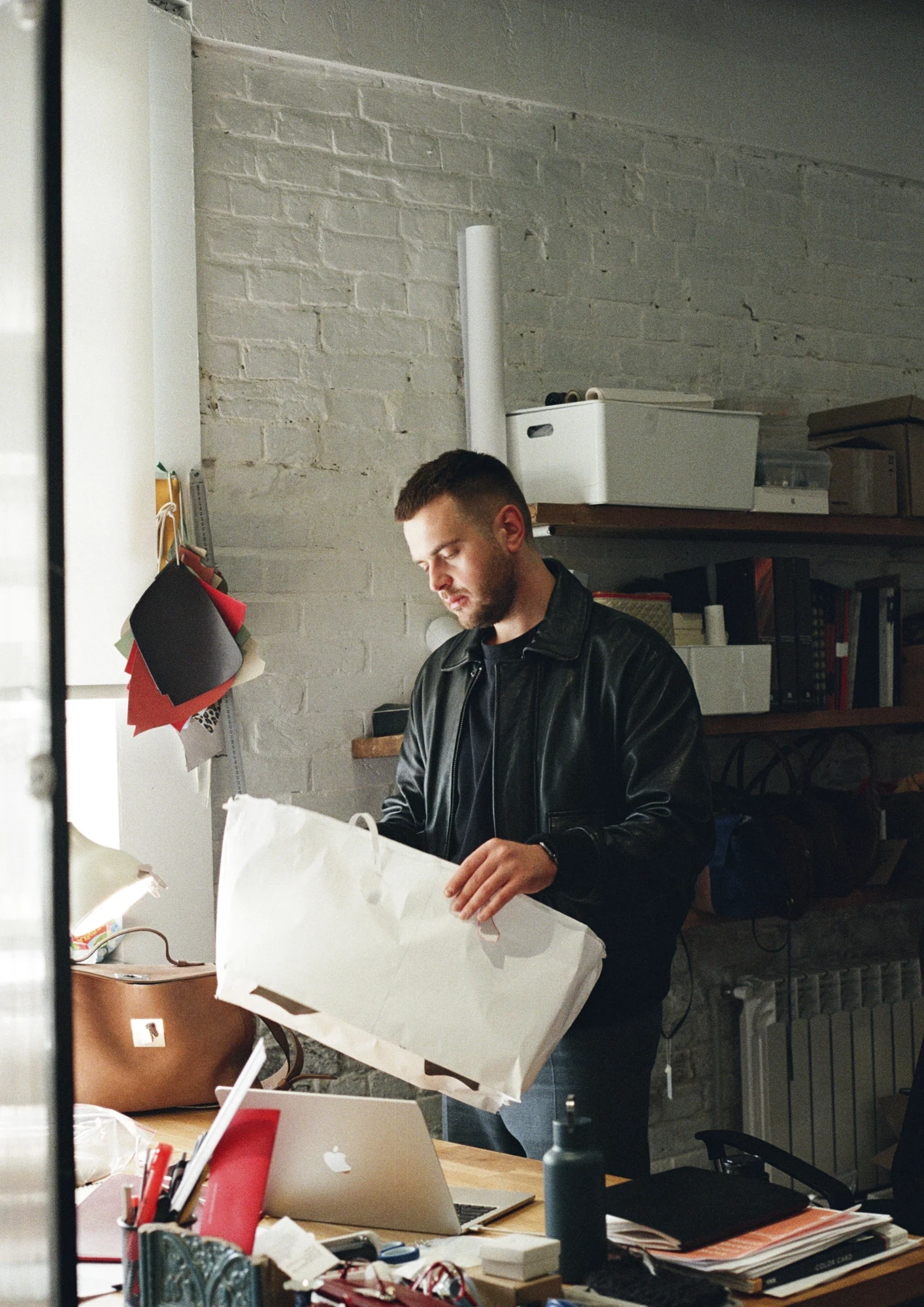
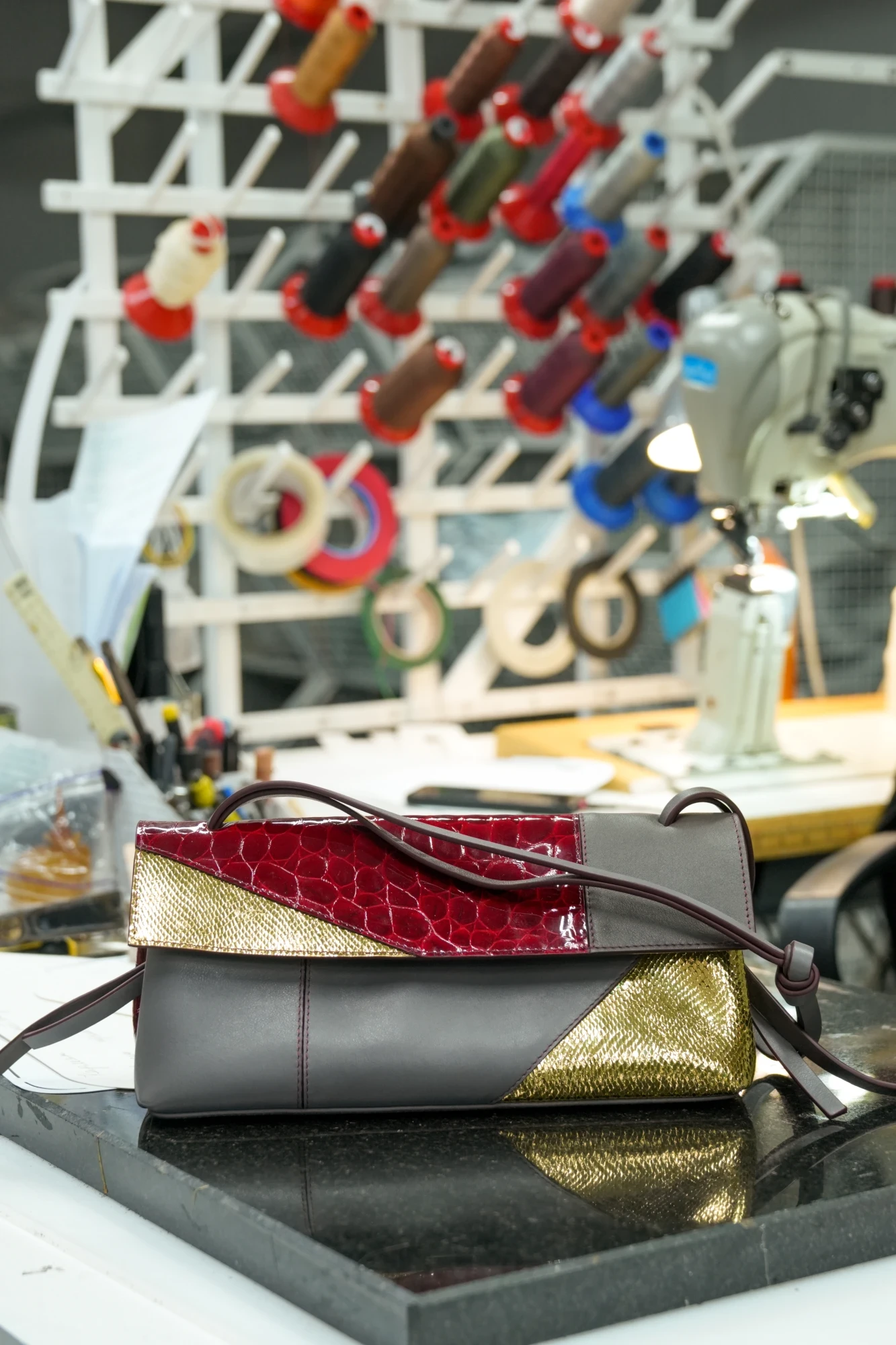
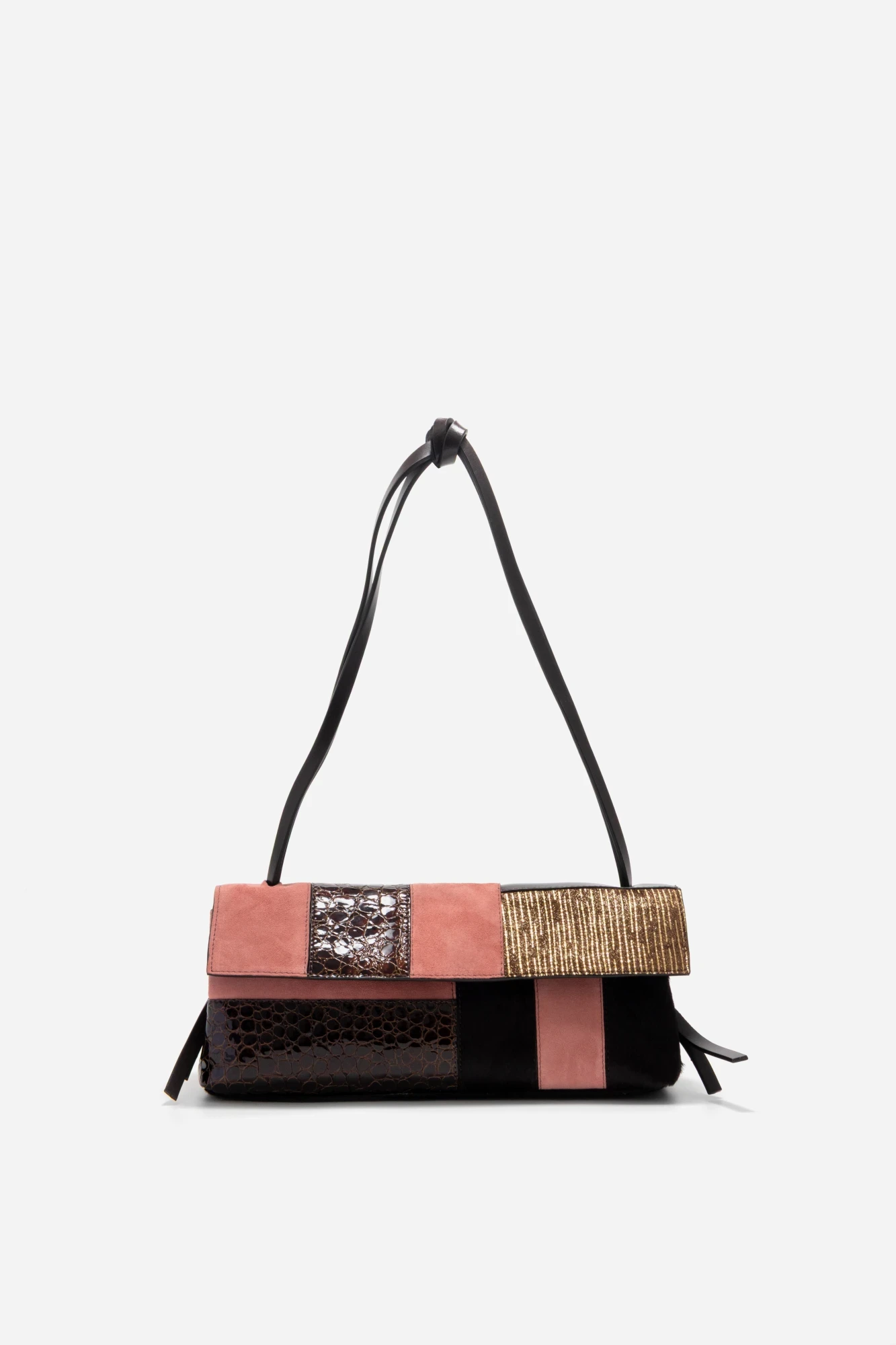
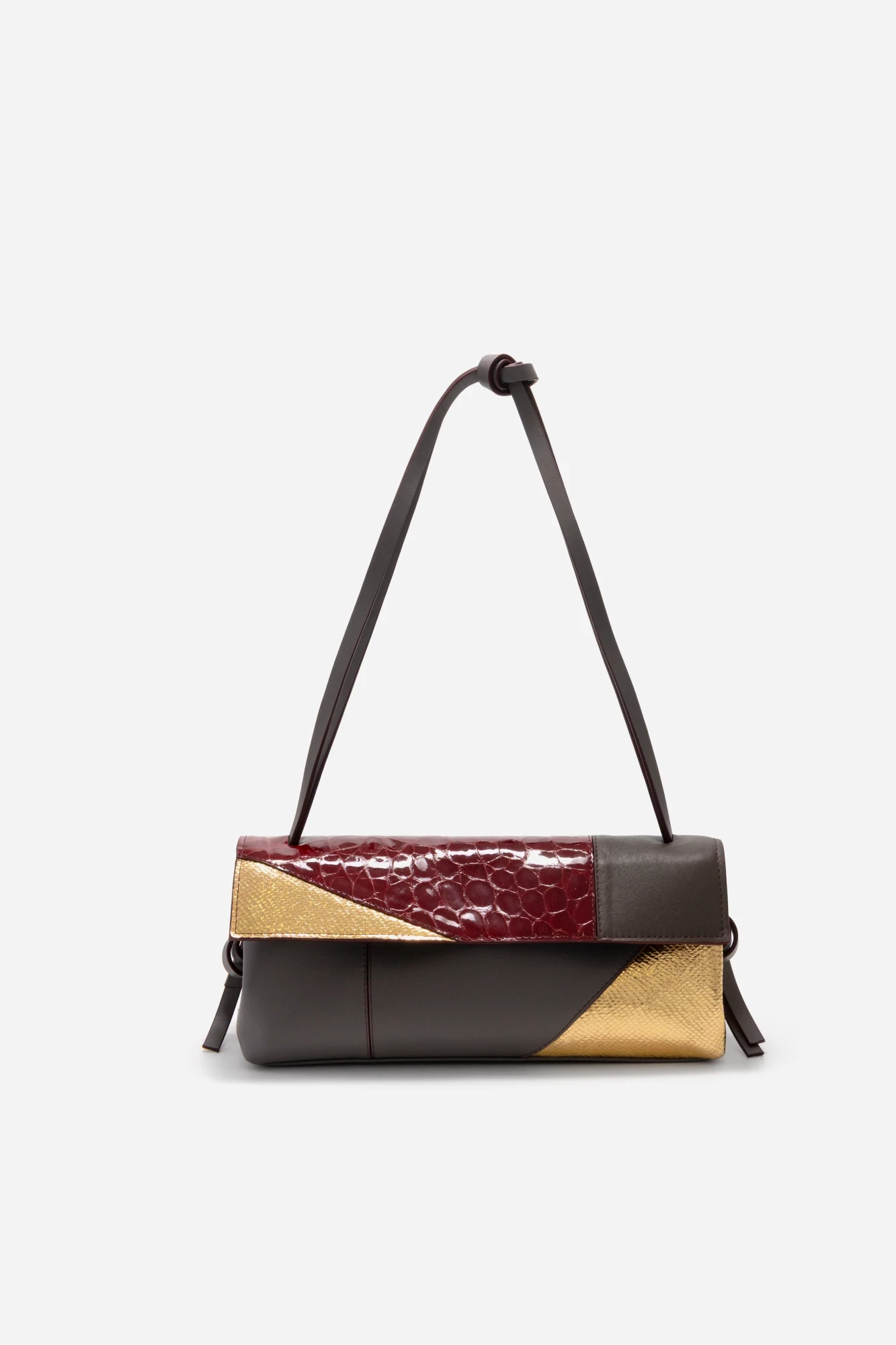
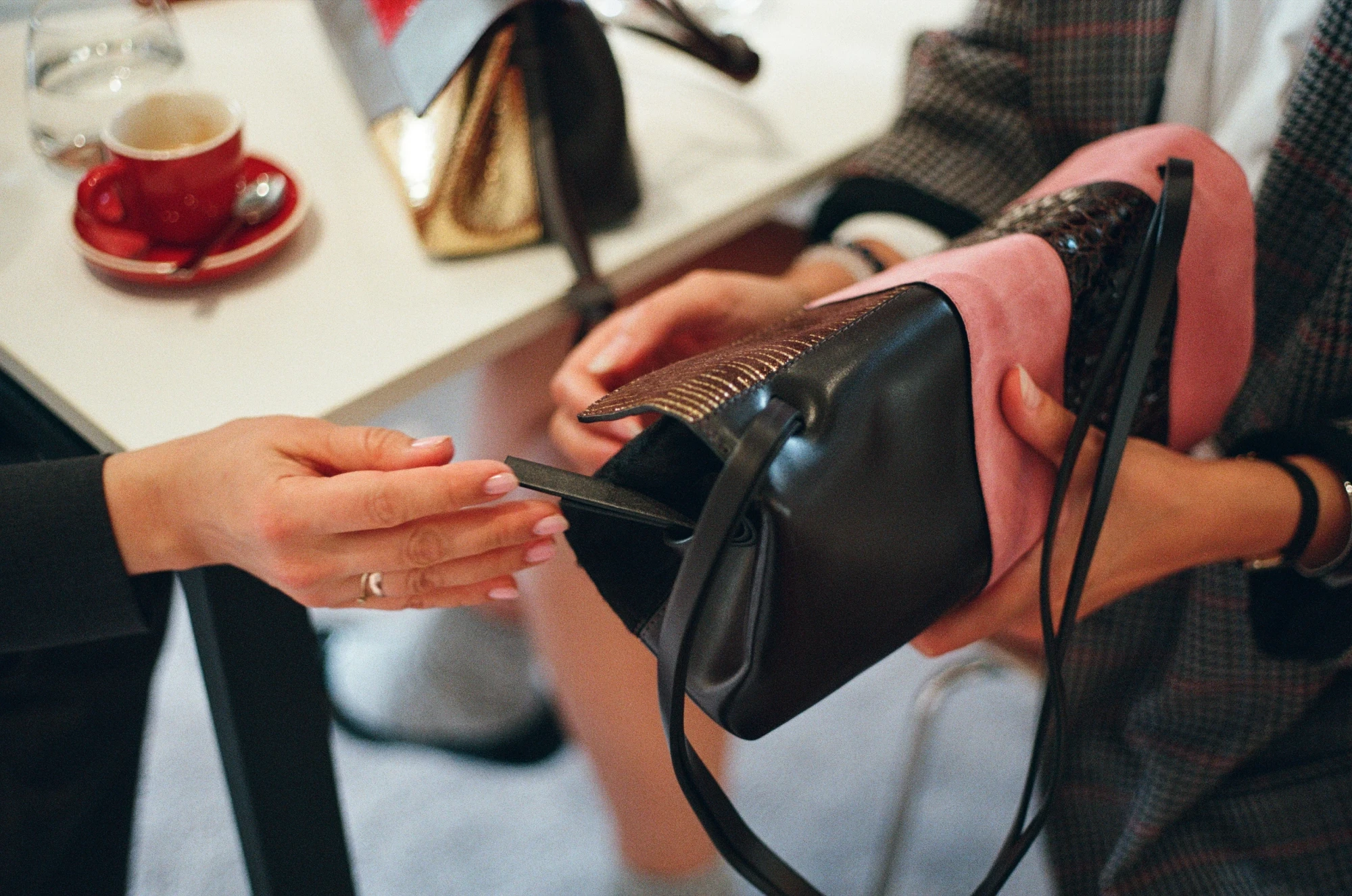
The most literal tribute to the brand’s origins was the Rebecca Patchwork – one of Kachorovska’s most popular models, with which the team embarked on a bold experiment: they took the bestseller apart piece by piece. Back in the days of custom tailoring, customers could combine python leather, suede, textured Saffiano, and fur in a single piece, making the flap one shade and the handle another. In this new interpretation, they took that logic to the extreme of patchwork. And the connection to the past isn’t just metaphorical: to create the series, they used actual remnants of exclusive materials that had been stored in the workshop since those years. “We never throw away leather—at Kachorovska, we practice sustainable production. There might have been half a pack left, or just tiny scraps. All of them were preserved in perfect condition, and that’s exactly what we used to create Rebecca Patchwork,” Vladislav shares.
For the designer, this model became a personal tribute to five years of work at the atelier. The team was nervous before the launch. Customers know Rebecca exactly as she is. Do they need a “slightly crazy” version of her? It turned out they do. “Customers embraced it with open arms. It’s selling great. This really pleased us as a design studio team: people weren’t put off—they’re intrigued,” says Alina.
There’s also another unexpected Rebecca remake. An oversized men’s version has already been developed for the upcoming men’s line. In total, there are six new men's bag designs in the works, although Vladislav suggests they'll start with two or three. This is a new category for the brand, and the market's reaction to it remains to be seen.
“Did I reject it? I couldn’t have!”
There’s an inside joke at the design studio about Alina’s process for approving new items. She might edit a sample or set it aside, only to come across it later and ask, “Why didn’t anyone show me this sooner? Who rejected it? I couldn’t have rejected it – it’s genius!”
And this isn’t just a self-deprecating recollection from Alina herself. Roksana Morozuk, who is in charge of clothing at Kachorovska, describes practically the same process: “Alina might say ‘Oh no’ the first time, but a week later ‘Send it to production.’” I tell her, “But that’s exactly what I showed you.” And she smiles in response: “See, it’s settled in my head, and now I really want it. Let’s do it.” Sometimes the team’s stylists manage to defend their ideas. That’s what happened with the feathered sandals: the design was scrapped, then brought back and eventually became a bestseller.
This duality goes a long way toward explaining Alina’s unique approach to management. “Half of my mind is an Excel spreadsheet, and the other half is a creative director,” she says. On the one hand, she is constantly expected to provide a powerful creative drive. On the other hand, she’s responsible for purchasing, merchandising, sales analytics, and overall business strategy, all of which she must also oversee. Alina is quite accurate in forecasting the commercial potential of products. However, there are exceptions: sometimes a certain concept seems too bold to launch, but by the next season it finally catches people’s attention, and later the finance department comes to her on its own asking, “Can we do more of this?”
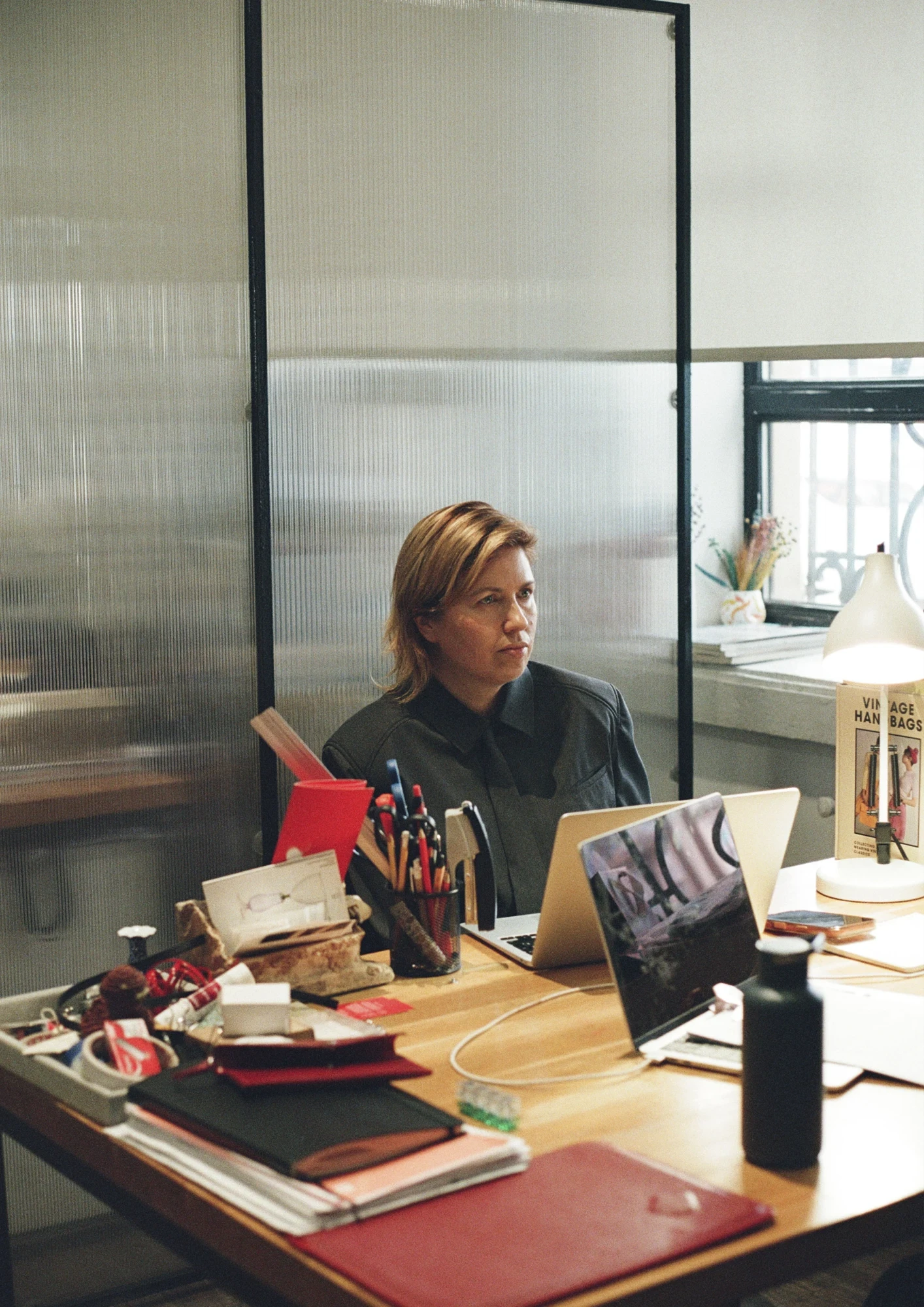
“I want to bring the craziest ideas to our audience right from the first season. And encourage women to experiment. Fashion shouldn’t be too serious at all. There has to be fun and irony. If you take fashion too seriously, it loses one of its core essences—the ability to experiment and search for self-identity,” Alina is convinced.
Clothing that wasn’t in the Atelier’s collection
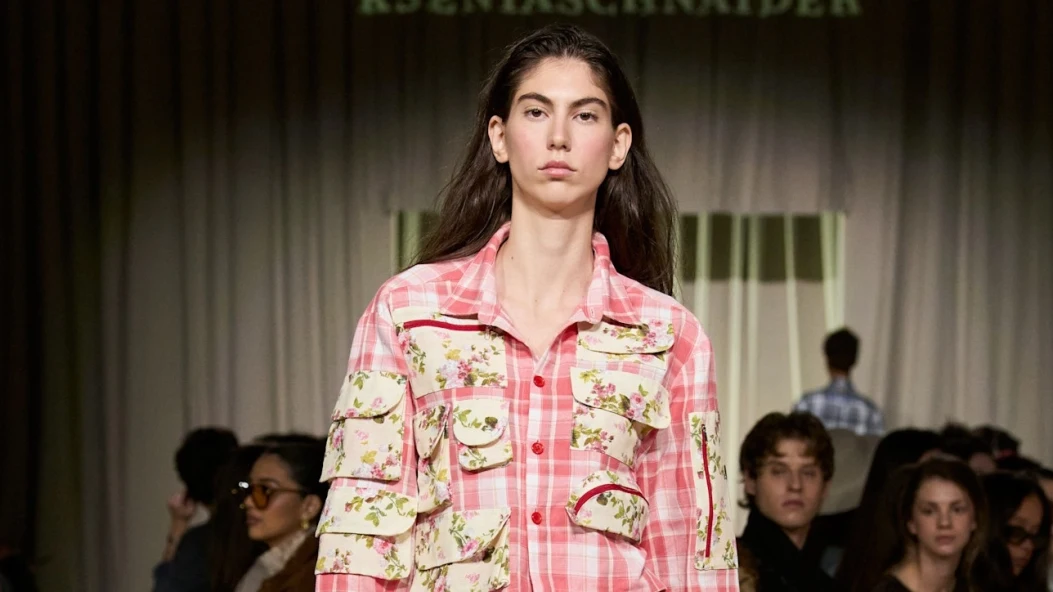
The historic Kachorovska atelier did not create fashion collections, so it’s not possible to simply open a box from the archives, find a design, and reinterpret it. The designer has to carry forward not an item, but a principle. For Roksana Morozuk, this is one of the most challenging aspects of working with the atelier’s legacy. Shoes and bags have their own archive, specific models, materials, and techniques. The clothing line had to find its own voice practically from scratch. And the team did this gradually. At first, they focused on pieces that naturally extended the brand’s established aesthetic: jackets, pants, skirts, and more understated and elegant silhouettes. Then they began to experiment more and more with cuts, textures, and decorative details.
Four years for a new category, according to Roksana, is not very long at all. That’s why the search continues to this day.“Personally, I love broad shoulders, but they won’t let me include them in the collections,” she laughs. “We’ve tried it, and our customers aren’t really into it.” This is where the constant balance lies: a designer may want a more radical statement, but the piece must remain recognisable to someone who is already familiar with Kachorovska. At the same time, obvious seasonal trends are never the starting point here. Roksana says the team finds it more interesting to seek out its own solutions. Sometimes an idea emerges a year or two before similar items start appearing en masse on the market.
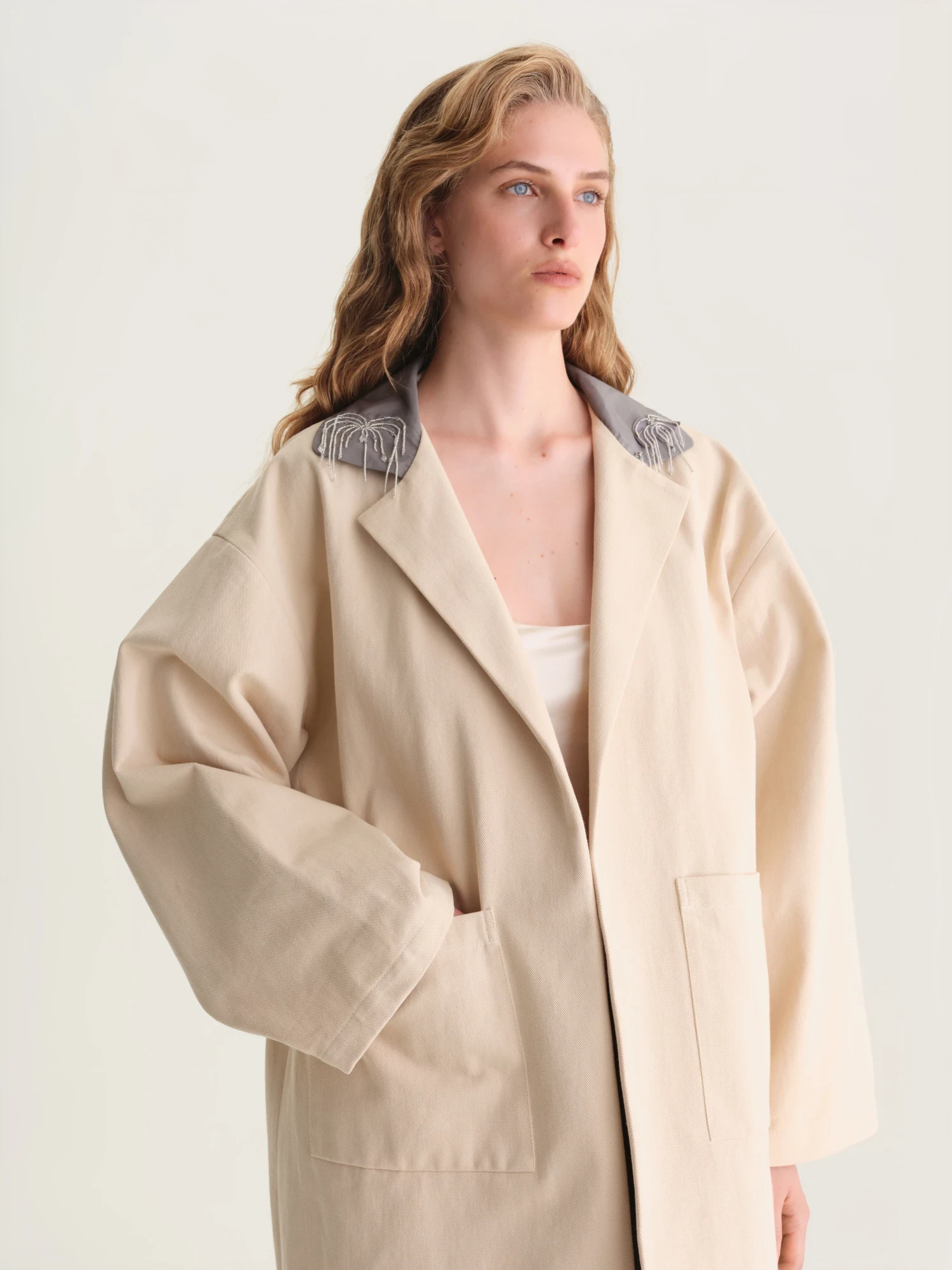
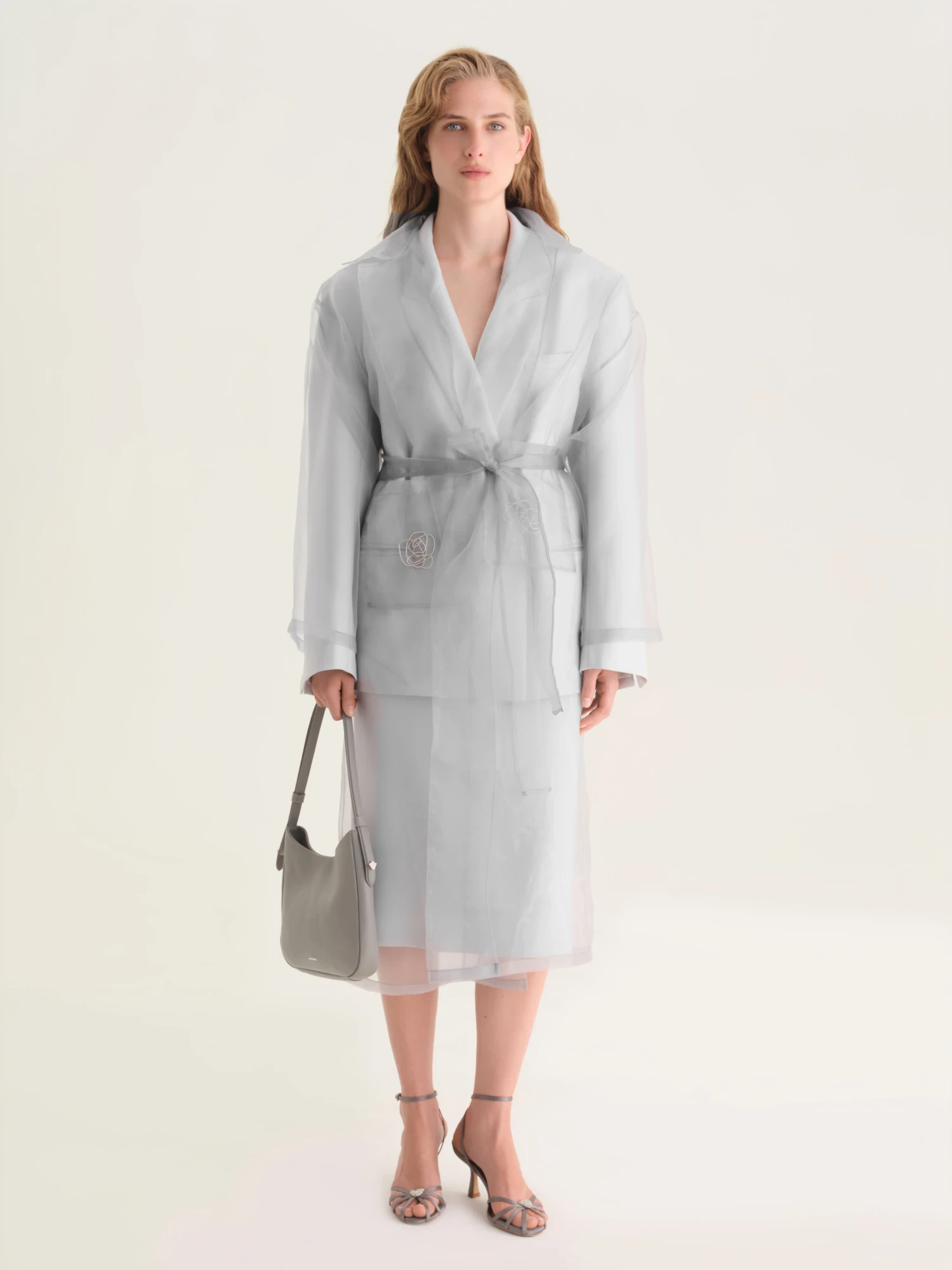
The new Atelier line has opened up much more room for such experiments, an opportunity, as Roksana puts it, to “have a little fun.” Add bold decorative elements, unusual textures, embroidery, and more intricate handcrafted details, elements that are hard to imagine in an endless mass-production line. However, it is precisely at this stage that creativity quickly collides with the harsh realities of mathematics. The more complex the handiwork, the higher the production cost, and at some point, you have to calculate whether the final price of the item will remain reasonable for the customer.
The detail Roksana is most proud of, though it’s almost imperceptible from the outside, is the filigree-like finishing of the garments on the inside. For her, the impeccable cleanliness of the seams and the perfect inside finish are a distinct design statement: a high-quality product must withstand a scrutinising gaze from any angle.
Another way to carry forward the Atelier principle is not to copy what once existed, but to elevate the very value of handcrafted work to a new level. After embroidery, the next step is hand-knitting. Kachorovska previously offered machine-knitted items; now the team is working on pieces created by hand.
The duck underwater
Kachorovska has its own symbol – a duck. It’s impossible not to notice it. It’s ironic, expressive, and stylish. It all comes from the last name. Clients gave her ducks as gifts; the collection grew, and in 2022, Alina commissioned a 3D model of a duck from a design studio: “I held it in my hands and burst into tears. This image turned out to be an almost perfect metaphor for a family business! The duck glides across the water calmly and beautifully. Underwater, its feet work nonstop to create that continuous, graceful motion.” When the agency converted the three-dimensional duck into flat graphics, the foot became a standalone element. Now that foot has a life of its own in hardware, decor, embroidery, and branding and appears on the shoes and cargo pants of the new collection.
For Alina, the archive is not just documents and shoes. It’s also an attempt to understand what each generation passed on to the next and contributed to the development of the family business. From her grandmother, Leonida Sigismundivna – humanity. From her grandfather – a freedom-loving spirit. From her mother, adventurousness and passion. From Alina herself, “sensuality, freedom. And the habit of dreaming big,” as Alina puts it.
It would be easy to turn all of this into a beautiful retrospective: seventy years of craftsmanship, twenty years of the brand, a work record book, the first collections, old photographs. Shoes created for Ukrainian designers. But Kachorovska seems far less interested in a museum. The Atelier line clearly shows that the archive here isn’t treated as a sacred relic. It can be cut up, mixed, reworked, and reinterpreted.
When you ask Alina what she wants to find in the past, her answer almost always circles back to the future in some way: new collections, a men’s line, an archival project featuring collaborations with designers, things that can still be showcased.
There are brands that turn to their archives when they run out of new ideas. At Kachorovska, the opposite is happening: the deeper the team delves into its own history, the more material it finds for the next chapter. Perhaps this is the point of paying attention to old samples, photographs, and documents that have been sitting in a warehouse for years. It’s not about proving that you have a past—it’s about understanding what to do with it next.